Internal pipe plugs are essential components in various industries, used for sealing pipes during maintenance, testing, or transportation. One of the key challenges in using internal pipe plugs is adapting to different pipe wall thicknesses. As a supplier of internal pipe plugs, we understand the importance of providing solutions that can effectively seal pipes with varying wall thicknesses. In this blog post, we will explore how internal pipe plugs adapt to different pipe wall thicknesses and the factors that influence their performance.
Understanding the Basics of Internal Pipe Plugs
Internal pipe plugs work by expanding inside the pipe to create a tight seal. They are typically made of materials such as rubber, polyurethane, or metal, and are designed to fit specific pipe sizes. The expansion mechanism of internal pipe plugs can vary, but most commonly, they use a hydraulic or mechanical system to expand the plug against the pipe wall.
When it comes to adapting to different pipe wall thicknesses, internal pipe plugs need to be able to adjust their expansion force and sealing surface. This is crucial to ensure a proper seal and prevent leaks. The following are some of the key factors that influence how internal pipe plugs adapt to different pipe wall thicknesses:
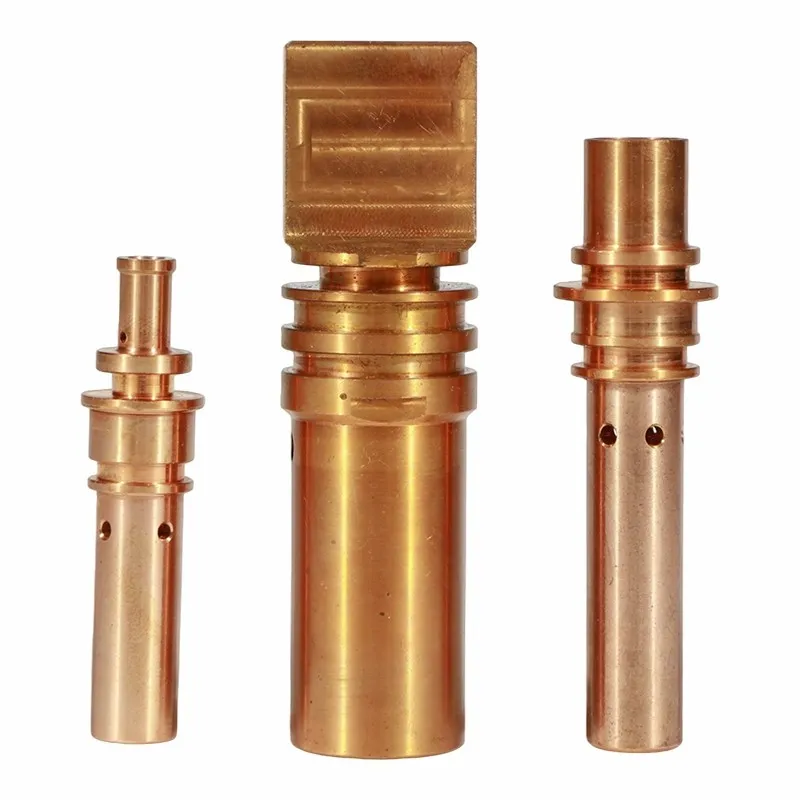
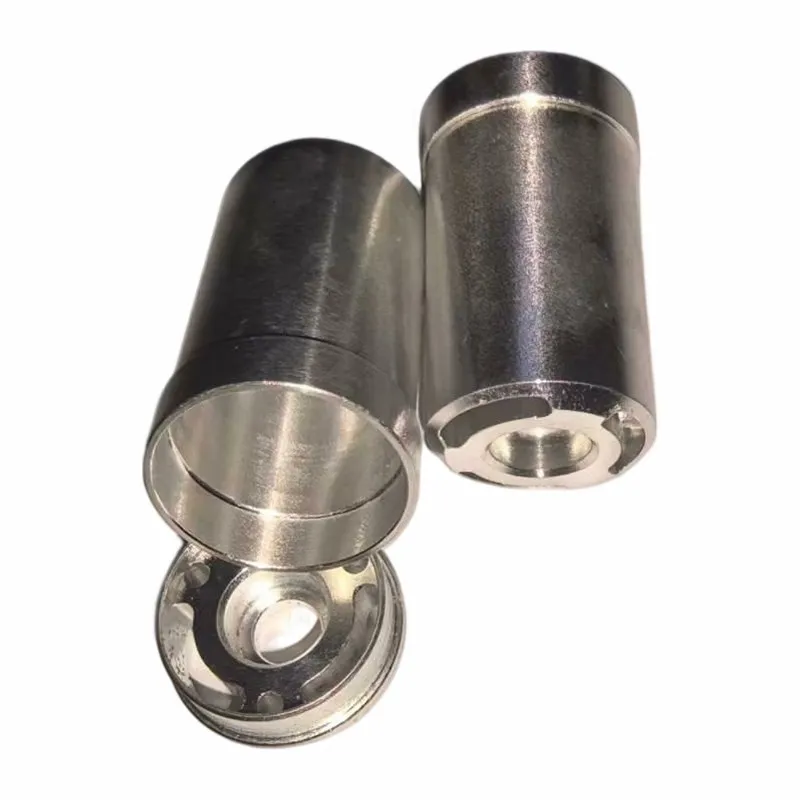
Material Selection
The material of the internal pipe plug plays a significant role in its ability to adapt to different pipe wall thicknesses. Rubber and polyurethane plugs are commonly used because they are flexible and can conform to the shape of the pipe wall. These materials can also provide a good seal even with minor variations in wall thickness.
Metal plugs, on the other hand, are more rigid and may require more precise fitting. However, they can offer higher pressure resistance and are suitable for applications where a more robust seal is required. When selecting a material for an internal pipe plug, it is important to consider the specific requirements of the application, including the pipe wall thickness, pressure, and temperature.
Expansion Mechanism
The expansion mechanism of an internal pipe plug determines how it adjusts to different pipe wall thicknesses. Hydraulic plugs use fluid pressure to expand the plug, while mechanical plugs use a screw or lever mechanism. Hydraulic plugs are generally more effective at adapting to different wall thicknesses because they can apply a uniform pressure across the entire sealing surface.
Mechanical plugs, on the other hand, may require more manual adjustment to achieve a proper seal. However, they can be more suitable for applications where a quick and easy installation is required. When choosing an expansion mechanism, it is important to consider the specific requirements of the application, including the pipe wall thickness, pressure, and installation time.
Sealing Surface Design
The design of the sealing surface of an internal pipe plug is also important for adapting to different pipe wall thicknesses. A well-designed sealing surface can provide a better seal and prevent leaks. Some internal pipe plugs have a tapered or conical sealing surface, which can help to compensate for variations in wall thickness.
Other plugs may have a multiple-seal design, which can provide additional sealing points and improve the overall sealing performance. When selecting an internal pipe plug, it is important to consider the design of the sealing surface and how it will adapt to the specific pipe wall thickness.
Factors Affecting the Performance of Internal Pipe Plugs
In addition to the material, expansion mechanism, and sealing surface design, there are several other factors that can affect the performance of internal pipe plugs when adapting to different pipe wall thicknesses. These factors include:
- Pipe Diameter: The diameter of the pipe can affect the expansion force required to create a seal. Larger pipes may require more expansion force to achieve a proper seal, while smaller pipes may require less.
- Pipe Material: The material of the pipe can also affect the performance of the internal pipe plug. Different pipe materials have different surface characteristics, which can affect the sealing performance. For example, pipes made of rough or porous materials may require a different type of sealing surface to achieve a proper seal.
- Pressure and Temperature: The pressure and temperature of the application can also affect the performance of the internal pipe plug. Higher pressures and temperatures may require a more robust plug with a higher pressure rating.
Our Solutions for Adapting to Different Pipe Wall Thicknesses
As a supplier of internal pipe plugs, we offer a range of solutions that can adapt to different pipe wall thicknesses. Our plugs are made of high-quality materials and are designed to provide a reliable seal in a variety of applications.
We offer both hydraulic and mechanical plugs, depending on the specific requirements of the application. Our hydraulic plugs are designed to provide a uniform pressure across the entire sealing surface, making them ideal for applications where a precise seal is required. Our mechanical plugs are easy to install and can be adjusted to fit different pipe wall thicknesses.
In addition to our standard plugs, we also offer custom solutions for applications with unique requirements. Our engineering team can work with you to design a plug that meets your specific needs, including the pipe wall thickness, pressure, and temperature.
Conclusion
Adapting to different pipe wall thicknesses is a key challenge in using internal pipe plugs. By understanding the factors that influence their performance and selecting the right plug for the application, you can ensure a proper seal and prevent leaks. As a supplier of internal pipe plugs, we are committed to providing high-quality solutions that can adapt to different pipe wall thicknesses. If you have any questions or need assistance in selecting the right plug for your application, please contact us for more information.