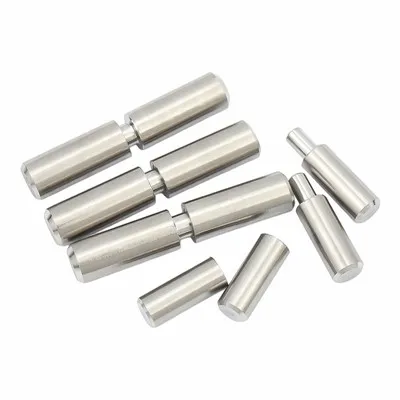
Knurled dowel pins are an essential component in many industrial and mechanical applications. As a supplier of knurled dowel pins, I often get asked about the purpose of the knurling on these pins. In this blog post, I will delve into the details of knurling on dowel pins, exploring its functions, benefits, and how it enhances the performance of these pins in various scenarios.
What is Knurling?
Knurling is a manufacturing process that creates a pattern of small ridges or teeth on the surface of a cylindrical object, such as a dowel pin. This pattern can be straight, diagonal, or diamond-shaped, depending on the specific requirements of the application. The knurling process is typically carried out using a knurling tool, which presses the pattern onto the surface of the pin.
The Purpose of Knurling on Dowel Pins
1. Improved Grip and Retention
One of the primary purposes of knurling on dowel pins is to provide a better grip and retention in the holes where they are inserted. When a dowel pin is inserted into a hole, the knurling creates friction between the pin and the hole wall. This friction helps to prevent the pin from rotating or slipping out of the hole, even under high loads or vibrations.
For example, in automotive engines, knurled dowel pins are used to align and secure various components, such as cylinder heads and engine blocks. The knurling ensures that the pins stay in place, maintaining the proper alignment of the components and preventing any misalignment that could lead to engine damage.
2. Enhanced Torque Transmission
In applications where torque needs to be transmitted between two components, knurled dowel pins can play a crucial role. The knurling on the pin allows it to transfer torque more effectively by increasing the contact area between the pin and the hole. This results in a more secure connection and better torque transmission.
Consider a machine tool where a knurled dowel pin is used to connect a gear to a shaft. The knurling on the pin helps to transmit the rotational force from the shaft to the gear, ensuring smooth and efficient operation of the machine.
3. Self-Locking Feature
Knurled dowel pins often have a self-locking feature due to the friction created by the knurling. Once the pin is inserted into the hole, the knurling bites into the hole wall, creating a tight fit that resists loosening. This self-locking feature eliminates the need for additional locking mechanisms, such as nuts or cotter pins, simplifying the assembly process and reducing costs.
In electronic devices, knurled dowel pins are used to secure circuit boards and other components. The self-locking feature ensures that the components stay in place, even in environments with high levels of vibration or shock.
4. Alignment and Positioning
Another important purpose of knurling on dowel pins is to aid in alignment and positioning. The knurling provides a visual and tactile reference for the installer, making it easier to align the pin with the hole and ensure proper positioning. This is particularly important in applications where precise alignment is critical, such as in precision machining or aerospace components.

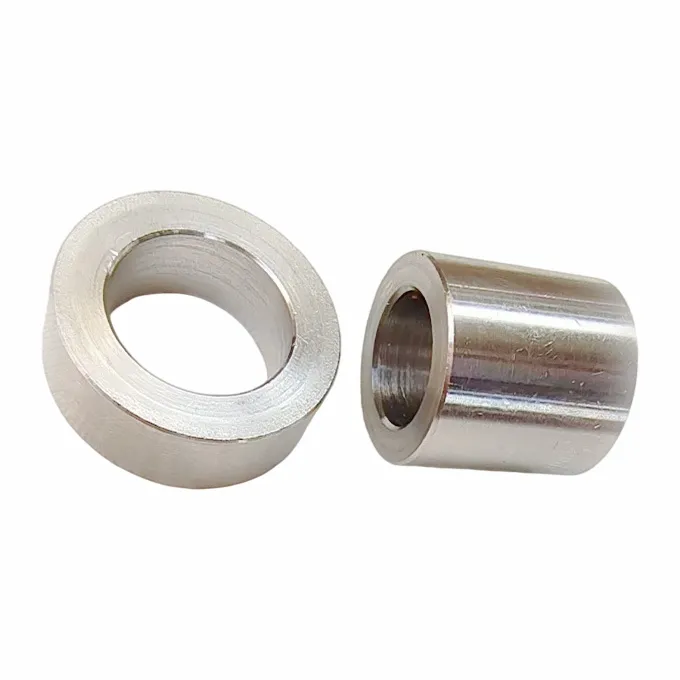
For instance, in a precision machining setup, knurled dowel pins are used to align the workpieces accurately. The knurling helps the operator to quickly and correctly position the pins, reducing the risk of misalignment and improving the overall quality of the machining process.
Benefits of Using Knurled Dowel Pins
1. Increased Durability
The knurling on dowel pins helps to distribute the load more evenly across the surface of the pin, reducing stress concentrations and increasing the durability of the pin. This makes knurled dowel pins more resistant to wear, fatigue, and deformation, ensuring a longer service life in demanding applications.
2. Versatility
Knurled dowel pins can be used in a wide range of applications, including automotive, aerospace, electronics, and machinery. Their versatility makes them a popular choice for engineers and designers who need a reliable and effective way to connect and align components.
3. Cost-Effectiveness
Compared to other types of fasteners and alignment devices, knurled dowel pins are relatively inexpensive. Their simple design and easy installation process make them a cost-effective solution for many applications.
Related Products
In addition to knurled dowel pins, we also offer a range of related products that can complement your projects. For example, our Waterproof Connector Sleeve provides a reliable and waterproof connection for electrical components. Our Knurled Stud is ideal for applications where a secure and adjustable connection is required. And our Iron Bushing offers excellent wear resistance and support for rotating shafts.
Contact Us for Procurement
If you are in need of high-quality knurled dowel pins or any of our related products, we invite you to contact us for procurement. Our team of experts is ready to assist you in finding the right solutions for your specific requirements. Whether you are a small business or a large industrial manufacturer, we can provide you with the products and services you need to succeed.
References
- "Mechanical Design Handbook" by Robert C. Juvinall and Kurt M. Marshek
- "Fasteners and Joining" by John H. Bickford
- "Engineering Materials and Their Applications" by William D. Callister Jr. and David G. Rethwisch