Are knurled studs easy to install? This is a question that many of our customers often ask. As a leading supplier of knurled studs, I'm here to share some insights from my years of experience in the industry.
Understanding Knurled Studs
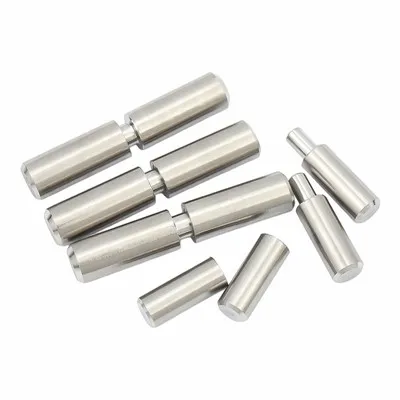
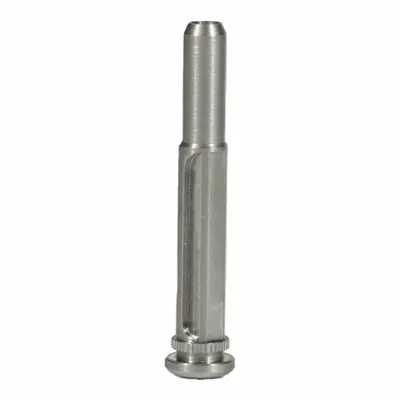
Knurled studs are fasteners with a textured, knurled section. This knurling serves a crucial purpose - it provides a better grip when the stud is inserted into a material. The knurling can be in different patterns, such as straight, diamond, or cross - hatch, each designed to suit specific applications.
These studs are commonly used in various industries, including automotive, electronics, and machinery. In the automotive industry, they can be used to secure components like engine parts or body panels. In electronics, they are often used to mount circuit boards or other delicate components.
The Installation Process of Knurled Studs
The installation of knurled studs is generally straightforward, but it does require some attention to detail.
Step 1: Prepare the Hole
The first step is to prepare the hole where the knurled stud will be inserted. The hole should be drilled to the correct diameter. If the hole is too large, the stud may not have a proper grip, and if it is too small, it can cause the stud to break during installation. The depth of the hole also needs to be accurate to ensure that the stud is fully seated.
Step 2: Lubrication
Applying a small amount of lubricant to the knurled section of the stud can make the installation process smoother. Lubrication reduces friction between the stud and the material, making it easier to insert the stud into the hole.
Step 3: Insertion
Using a suitable tool, such as a press or a hammer, the knurled stud is inserted into the prepared hole. The knurling bites into the material, creating a secure connection. It's important to apply even pressure during insertion to avoid damaging the stud or the material.
Factors Affecting Ease of Installation
While knurled studs are generally easy to install, several factors can affect the installation process.
Material of the Stud and the Base Material
The material of the knurled stud and the base material into which it is being installed play a significant role. For example, if the base material is very hard, it may be more difficult to insert the stud, and special tools or techniques may be required. On the other hand, if the base material is too soft, the stud may not hold securely.
Knurling Design
The design of the knurling, such as the pattern and the depth, can also impact the installation. A more aggressive knurling pattern may provide a better grip but can also make the installation more difficult.
Installation Tools
Using the right tools is crucial for a successful installation. A press is often the preferred tool for installing knurled studs as it provides a controlled and even force. However, in some cases, a hammer can be used, but it requires more skill to ensure that the stud is inserted correctly.
Advantages of Knurled Studs in Installation
Despite the factors that can affect the installation process, knurled studs offer several advantages that make them a popular choice.
Secure Connection
The knurling on the stud provides a strong and secure connection. Once installed, the stud is less likely to come loose compared to other types of fasteners. This is especially important in applications where vibration or movement is common.
Easy to Replace
If a knurled stud needs to be replaced, it can be relatively easily removed and a new one installed. This is in contrast to some other types of fasteners that may require more complex procedures for replacement.
Versatility
Knurled studs can be used in a wide range of materials, including metals, plastics, and composites. This versatility makes them suitable for many different applications.
Comparison with Other Fasteners
To better understand the ease of installation of knurled studs, let's compare them with other types of fasteners.
Hex Stud Bolt
Hex stud bolts, like the ones you can find Hex Stud Bolt, are another common type of fastener. While hex stud bolts are easy to install using a wrench, they may require a nut to be tightened on the other side. This can be more time - consuming compared to the installation of knurled studs, which can be directly inserted into a material.
Dowel Press Fit
Dowel press - fit components, as described in Dowel Press Fit, are similar to knurled studs in that they are press - fit into a material. However, dowel press - fit components may not have the same level of grip as knurled studs due to the lack of knurling. This can make them less suitable for applications where a strong connection is required.
Waterproof Connector Sleeve
Waterproof connector sleeves, like those available at Waterproof Connector Sleeve, are used for different purposes and are not directly comparable to knurled studs in terms of installation. They are mainly used for providing a waterproof connection between components, while knurled studs are used for fastening.
Tips for Easy Installation
Here are some tips to ensure an easy and successful installation of knurled studs:
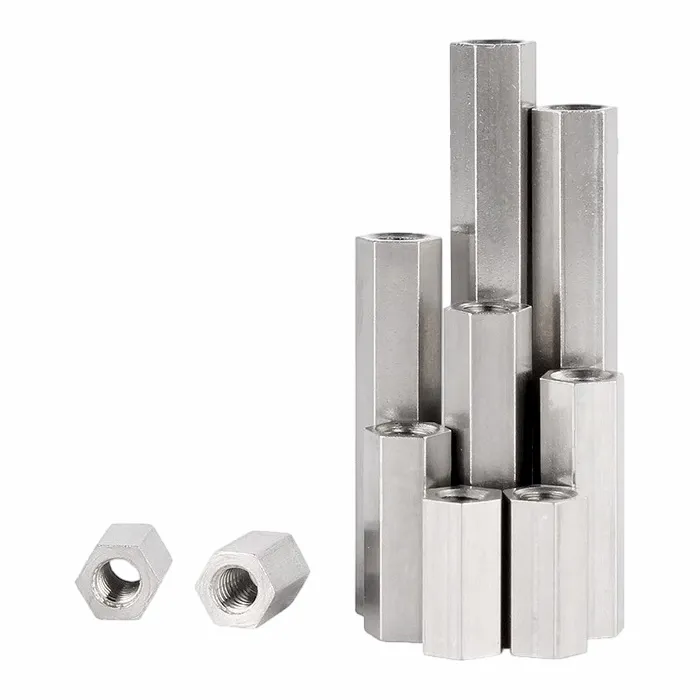

- Use the Right Tools: As mentioned earlier, using a press or a suitable hammer is essential. Make sure the tool is in good condition and appropriate for the size of the stud.
- Measure Twice: Double - check the hole diameter and depth before inserting the stud. This can prevent issues such as the stud not fitting properly or breaking during installation.
- Follow the Manufacturer's Instructions: Different knurled studs may have specific installation requirements. Always follow the instructions provided by the manufacturer.
Conclusion
In conclusion, knurled studs are generally easy to install, provided that the proper steps are followed and the right tools are used. Their secure connection, ease of replacement, and versatility make them a popular choice in many industries.
If you are in the market for high - quality knurled studs or have any questions about their installation, we are here to help. Our team of experts can provide you with detailed information and guidance to ensure that you make the right choice for your application. Contact us to start a discussion about your procurement needs.
References
- "Fastening Technology Handbook" by H. A. Rothbart
- "Mechanical Fasteners and Their Applications" by R. H. Bickford