Can iron bushings be used in marine applications? This is a question that often arises in the marine industry, and as an iron bushing supplier, I'm here to provide a comprehensive answer.
Understanding Iron Bushings
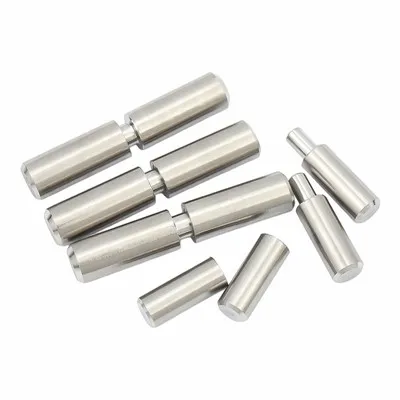
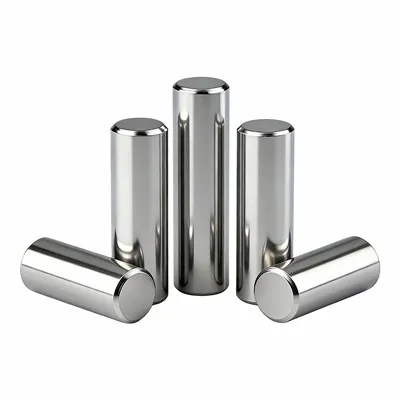
Iron bushings are mechanical components that are used to reduce friction between two moving parts. They are typically made from various types of iron alloys, which offer different properties such as strength, wear resistance, and corrosion resistance. Iron is a popular material for bushings due to its relatively low cost, high availability, and good machinability.
The basic function of an iron bushing is to provide a smooth surface for another part to slide or rotate against. This helps to minimize wear and tear on both the bushing and the mating part, and also reduces noise and vibration. Iron bushings can be found in a wide range of applications, from automotive engines to industrial machinery.
Marine Environment Challenges
The marine environment presents a unique set of challenges for any component used in it. One of the most significant challenges is corrosion. Saltwater is highly corrosive, and it can quickly degrade metals that are not properly protected. This means that any component used in a marine application needs to have good corrosion resistance to ensure a long service life.
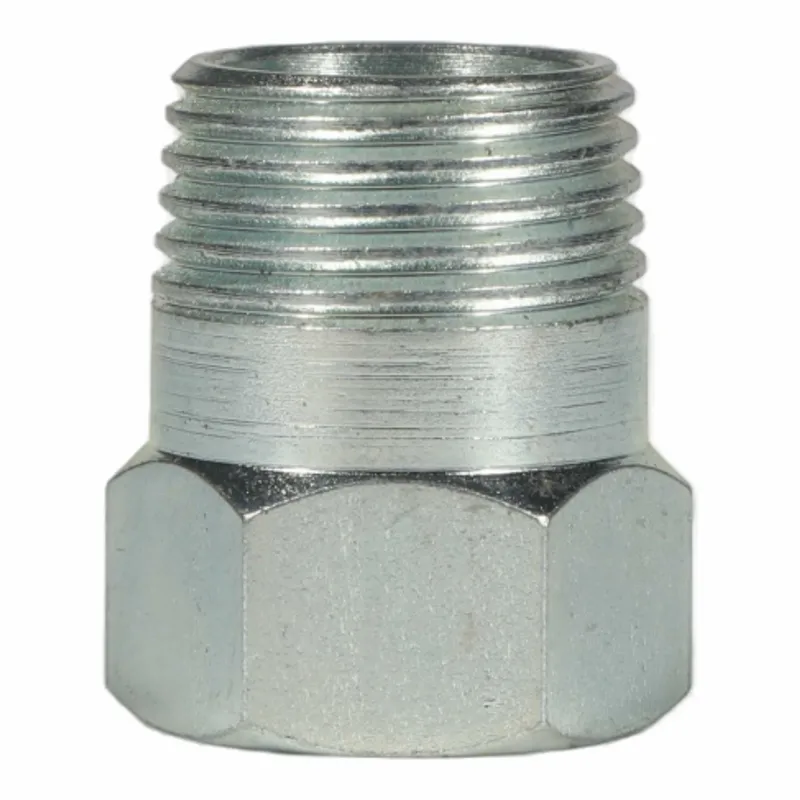

In addition to corrosion, the marine environment also experiences high levels of moisture, temperature variations, and mechanical stress. Moisture can cause rust and other forms of corrosion, while temperature variations can lead to expansion and contraction of materials, which can cause parts to loosen or fail. Mechanical stress from waves, currents, and the movement of the vessel can also place a significant load on components, requiring them to be strong and durable.
Can Iron Bushings Be Used in Marine Applications?
The answer to whether iron bushings can be used in marine applications is not a simple yes or no. It depends on several factors, including the specific type of iron used, the design of the bushing, and the level of protection provided.
1. Corrosion Resistance
As mentioned earlier, corrosion is a major concern in marine applications. Standard iron is prone to rust when exposed to saltwater, so if iron bushings are to be used in the marine environment, they need to be made from a corrosion - resistant iron alloy or have a protective coating.
Some iron alloys, such as ductile iron, have better corrosion resistance than plain carbon iron. Ductile iron contains small amounts of magnesium and other elements, which give it a nodular graphite structure. This structure provides better corrosion resistance compared to the flake graphite structure of gray iron.
Another option is to apply a protective coating to the iron bushing. Coatings such as zinc plating, epoxy coatings, or rubber coatings can provide a barrier between the iron and the saltwater, preventing corrosion. However, the effectiveness of the coating depends on its quality and how well it is applied.
2. Design and Load - Bearing Capacity
The design of the iron bushing is also crucial in marine applications. The bushing needs to be designed to withstand the mechanical stress and loads that it will encounter. In a marine setting, the bushing may be subject to heavy loads from the movement of the vessel, as well as shock loads from waves and impacts.
The load - bearing capacity of an iron bushing is determined by its size, shape, and the material properties of the iron. For example, a larger - diameter bushing will generally have a higher load - bearing capacity than a smaller one. Additionally, the bushing needs to be properly lubricated to reduce friction and wear, and to ensure smooth operation.
3. Compatibility with Other Components
In a marine system, the iron bushing needs to be compatible with other components. This includes the mating parts that the bushing slides or rotates against, as well as the lubricants and other fluids used in the system.
For example, if the mating part is made of a different metal, there is a risk of galvanic corrosion. Galvanic corrosion occurs when two different metals are in contact in the presence of an electrolyte (such as saltwater), and one metal corrodes at a faster rate than the other. To prevent galvanic corrosion, the materials need to be carefully selected, or a non - conductive barrier can be used between the two metals.
Advantages of Using Iron Bushings in Marine Applications
Despite the challenges, there are some advantages to using iron bushings in marine applications.
1. Cost - Effectiveness
Iron is a relatively inexpensive material compared to other metals such as stainless steel or bronze. This makes iron bushings a cost - effective option, especially for applications where large quantities of bushings are required.
2. High Strength
Iron has good strength properties, which means that iron bushings can withstand high loads and mechanical stress. This makes them suitable for use in heavy - duty marine applications, such as the propulsion systems of ships.
3. Easy to Machine
Iron is easy to machine, which allows for the production of bushings with complex shapes and precise dimensions. This is important in marine applications, where the bushings need to fit precisely into the system and to work efficiently with other components.
Related Products for Marine Applications
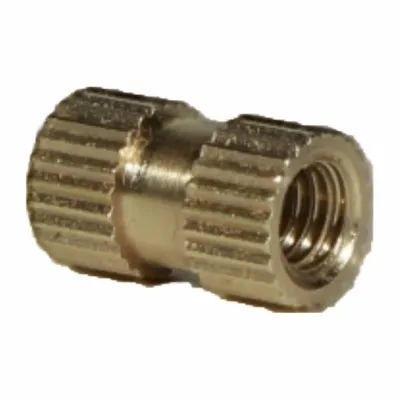
In addition to iron bushings, there are other products that are commonly used in marine applications. For example, a Stainless Steel Knurled Insert can be used to provide a strong and reliable connection in a marine environment. The stainless steel material offers good corrosion resistance, making it suitable for use in saltwater.
Another useful product is the Waterproof Connector Sleeve. These sleeves are designed to protect electrical connections from water and moisture, which is essential in a marine setting where electrical systems are exposed to the elements.
Conclusion and Call to Action
In conclusion, iron bushings can be used in marine applications, but proper precautions need to be taken to address the challenges of the marine environment. By using corrosion - resistant iron alloys, applying protective coatings, and ensuring proper design and compatibility with other components, iron bushings can provide a reliable and cost - effective solution for many marine systems.
If you are looking for high - quality Iron Bushings for your marine application, I encourage you to reach out to me. I have extensive experience in providing iron bushings that are suitable for the marine environment, and I can work with you to find the best solution for your specific needs. Whether you need a standard size or a custom - designed bushing, I'm here to assist you. Contact me to start a discussion about your procurement requirements, and let's work together to ensure the success of your marine project.
References
- ASM Handbook Committee. ASM Handbook, Volume 13A: Corrosion: Fundamentals, Testing, and Protection. ASM International, 2003.
- Budynas, Richard G., and Kurtis N. Nisbett. Shigley's Mechanical Engineering Design. McGraw - Hill Education, 2015.
- Merchant, Thomas E., and John W. Barlow. Marine Engineering: A Practical Guide. Elsevier, 2012.