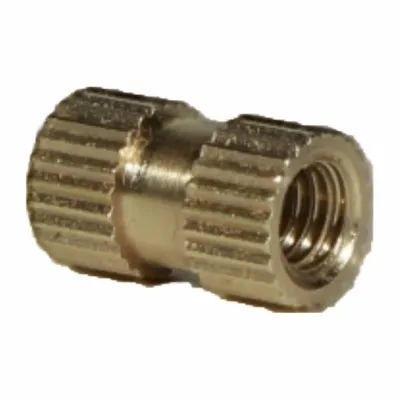
Hey there! I'm a supplier of Square Ejector Pins, and today I wanna chat about the thermal conductivity of these little guys.
First off, let's understand what thermal conductivity is. In simple terms, it's a measure of how well a material can transfer heat. You know how some things get hot really quickly when you touch them, while others stay cool? That's all about thermal conductivity. The higher the thermal conductivity of a material, the faster it can move heat through itself.
So, what about Square Ejector Pins? Well, these pins are used in a bunch of different industries, like injection molding. In injection molding, they're used to push the molded part out of the mold. And during this process, a whole lot of heat is involved. The molten plastic is injected into the mold at high temperatures, and the ejector pins need to be able to handle that heat without getting damaged or losing their shape.

The thermal conductivity of Square Ejector Pins depends on the material they're made of. Most of the time, these pins are made from metals, and different metals have different thermal conductivities. For example, copper is known for having a really high thermal conductivity. It can transfer heat super fast, which makes it a great choice for applications where heat needs to be dissipated quickly. On the other hand, steel has a lower thermal conductivity compared to copper. But steel is strong and durable, so it's often used when strength is more important than heat transfer.
Let's take a closer look at why thermal conductivity matters for Square Ejector Pins. In injection molding, if the pins can't transfer heat efficiently, they can get too hot. This can lead to all sorts of problems. The pins might expand, which can cause them to get stuck in the mold. Or, the heat can cause the pins to wear out faster, reducing their lifespan. And if the pins aren't working properly, it can affect the quality of the molded parts.
So, when choosing Square Ejector Pins, it's important to consider the thermal conductivity of the material. If you're working with a high - temperature plastic or a process that generates a lot of heat, you might want to go for a material with high thermal conductivity, like copper. But if you need the pins to be strong and resistant to wear, steel might be a better option.
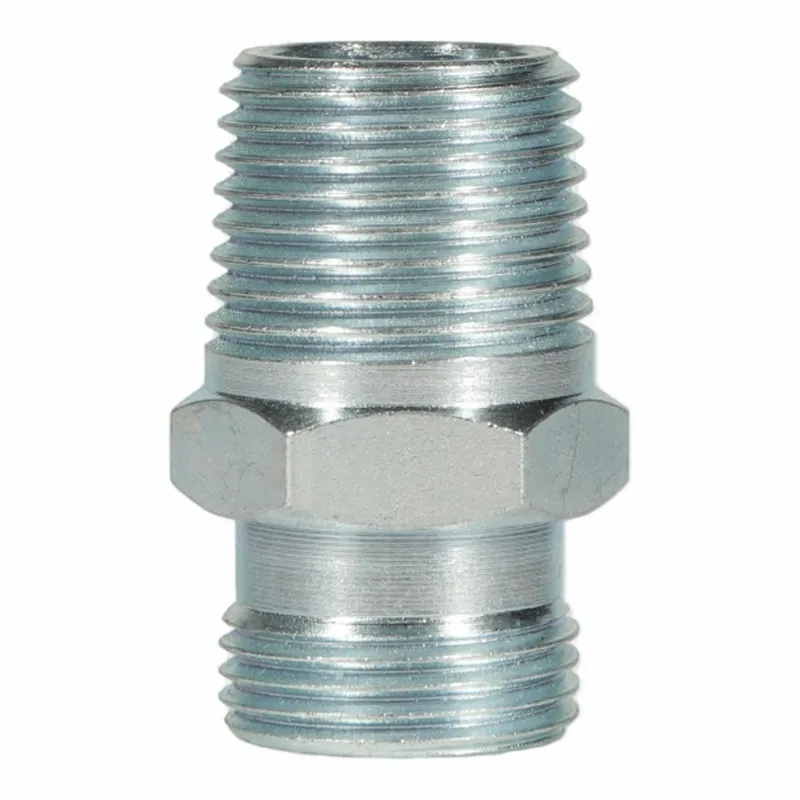
Now, I also want to mention some related products. If you're in the market for connectors, we have some great options. Check out our Male and Female Thread Adapter. These adapters are really useful for joining different parts together. And of course, our Square Ejector Pins are top - notch. They're made with high - quality materials to ensure good performance. We also have Metal Joint Connector, which are perfect for creating strong connections between metal parts.
When it comes to getting the right Square Ejector Pins for your needs, it's not just about thermal conductivity. You also need to think about the size, the surface finish, and the precision of the pins. For example, if you're making small, detailed parts, you'll need pins with a high level of precision. And the surface finish can affect how easily the pins can slide in and out of the mold.
Another factor to consider is the cost. Materials with high thermal conductivity, like copper, can be more expensive than steel. So, you need to balance the performance you need with your budget. Sometimes, a combination of different materials might be the best solution. For instance, you could use a steel core for strength and a copper coating for better heat transfer.
In addition to injection molding, Square Ejector Pins are also used in other industries, like die - casting. In die - casting, the pins are used to eject the cast parts from the die. Similar to injection molding, heat management is crucial in die - casting. The pins need to be able to handle the high temperatures of the molten metal and transfer the heat away quickly to prevent damage.
The manufacturing process of Square Ejector Pins can also affect their thermal conductivity. If the pins are made with a lot of impurities or defects, it can reduce their ability to transfer heat. That's why it's important to choose a reliable supplier who uses high - quality manufacturing processes.
We've been in the business of supplying Square Ejector Pins for a while now, and we've seen firsthand how important it is to get the thermal conductivity right. We work with different materials and manufacturing techniques to ensure that our pins meet the specific needs of our customers. Whether you're in a small - scale operation or a large - scale industrial plant, we can provide you with the right pins.
If you're interested in learning more about our Square Ejector Pins or any of our other products, don't hesitate to reach out. We're always happy to have a chat and help you find the best solution for your needs. Whether you have questions about thermal conductivity, size, or any other aspect of the pins, we're here to assist.
In conclusion, the thermal conductivity of Square Ejector Pins is a crucial factor in their performance. It affects how well they can handle heat in applications like injection molding and die - casting. By choosing the right material and manufacturing process, you can ensure that your pins work efficiently and have a long lifespan. So, if you're in the market for Square Ejector Pins, give us a shout. We're looking forward to working with you and helping you get the best products for your business.
References:
- "Thermal Conductivity of Metals" - Handbook of Materials Science
- "Injection Molding Technology" - Industry - specific textbook on injection molding processes
- "Die - Casting Principles" - Guidebook on die - casting operations and requirements