Determining the correct pre - load for a CNC bushing is a crucial step in ensuring the optimal performance and longevity of CNC machinery. As a CNC bushing supplier, I have witnessed firsthand the impact that improper pre - load can have on the overall operation of a machine. In this blog, I will share some insights on how to determine the correct pre - load for a CNC bushing.
Understanding the Concept of Pre - load
Pre - load is the amount of force applied to a bearing or bushing before it is put into operation. In the context of CNC bushings, pre - load serves several important functions. Firstly, it eliminates clearance between the bushing and the shaft, which reduces vibration and noise during operation. Secondly, it improves the stiffness of the system, allowing for more precise machining. Thirdly, it distributes the load evenly across the bushing, which can extend its service life.
Factors Affecting Pre - load
Several factors need to be considered when determining the correct pre - load for a CNC bushing.
1. Type of Application
The type of application plays a significant role in determining the pre - load. For example, in high - speed applications, a higher pre - load may be required to maintain stability and reduce vibration. On the other hand, in applications where low friction is the primary concern, a lower pre - load may be more appropriate.
2. Shaft Speed
The speed at which the shaft rotates also affects the pre - load. Higher shaft speeds generate more heat and centrifugal forces, which can cause the bushing to expand. To compensate for this expansion, a higher pre - load may be needed.
3. Load Conditions
The magnitude and direction of the load applied to the bushing are important factors. If the load is heavy and constantly changing, a higher pre - load may be necessary to prevent the bushing from shifting or deforming.
4. Bushing Material
Different bushing materials have different properties, such as hardness, elasticity, and thermal expansion coefficient. These properties can influence the pre - load requirements. For example, a bushing made of a more elastic material may require a lower pre - load compared to a bushing made of a harder material.
Methods for Determining Pre - load
1. Manufacturer's Recommendations
One of the simplest ways to determine the correct pre - load is to refer to the manufacturer's recommendations. Most CNC bushing manufacturers provide detailed specifications regarding the appropriate pre - load for their products based on different applications and operating conditions. These recommendations are usually based on extensive testing and research, so they can be a reliable starting point.
2. Calculation Based on Design Parameters
Another method is to calculate the pre - load based on the design parameters of the system. This involves considering factors such as the shaft diameter, bushing dimensions, and the expected load. There are various formulas and equations available for calculating pre - load, but they can be quite complex and may require a good understanding of mechanical engineering principles.
3. Experimental Testing
Experimental testing is a more practical approach. It involves gradually increasing the pre - load and monitoring the performance of the system. Key performance indicators such as vibration, noise, and temperature can be measured. The pre - load is adjusted until the optimal performance is achieved. This method allows for real - world conditions to be taken into account and can provide more accurate results.
Importance of Correct Pre - load
Using the correct pre - load for a CNC bushing offers several benefits.
1. Improved Machining Accuracy
By eliminating clearance and increasing the stiffness of the system, the correct pre - load ensures that the cutting tool follows the desired path precisely. This results in higher machining accuracy and better surface finish of the workpiece.
2. Extended Bushing Life
A proper pre - load distributes the load evenly across the bushing, reducing wear and tear. This can significantly extend the service life of the bushing, reducing the frequency of replacement and maintenance costs.
3. Reduced Vibration and Noise
Vibration and noise are common problems in CNC machinery. The correct pre - load helps to minimize these issues by stabilizing the bushing and the shaft, creating a smoother and quieter operation.
Related Products in Our Catalog
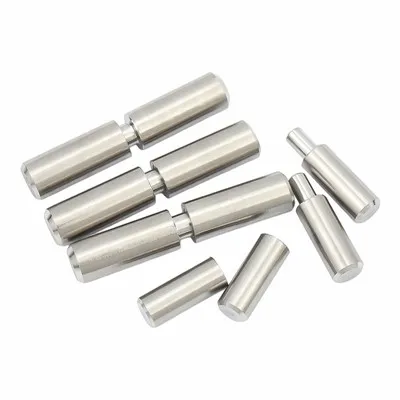
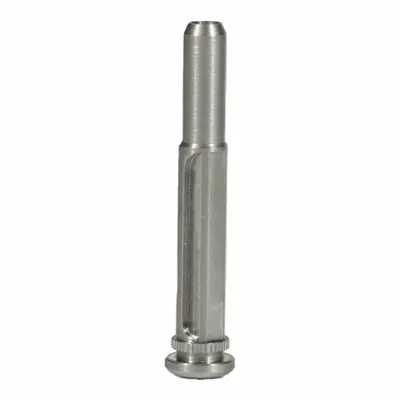
As a CNC bushing supplier, we also offer a range of related products that can enhance the performance of your CNC machinery. You can check out our Knurled Dowel Pins, Waterproof Connector Sleeve, and Stainless Steel Knurled Insert. These products are designed to work in harmony with our CNC bushings to provide a comprehensive solution for your machining needs.
Conclusion
Determining the correct pre - load for a CNC bushing is a complex but essential task. By considering factors such as the type of application, shaft speed, load conditions, and bushing material, and using methods like referring to manufacturer's recommendations, calculation, or experimental testing, you can ensure that your CNC machinery operates at its best.
If you are interested in our CNC bushings or related products, we invite you to contact us for procurement and further discussions. We have a team of experts who can provide you with professional advice and support to meet your specific requirements.
References
- Mechanical Engineering Handbook, various editions
- Manufacturer's technical documentation for CNC bushings