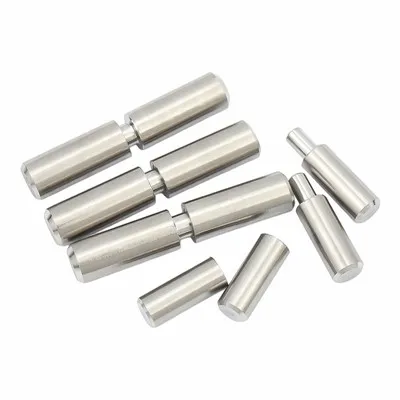
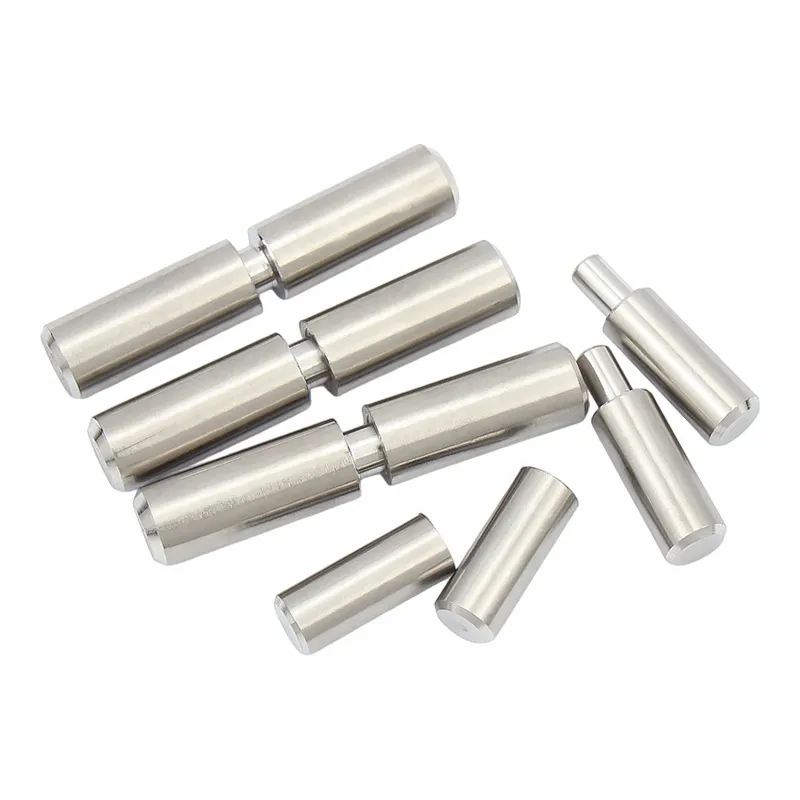
In industries where welded shafts operate in dusty environments, meeting performance requirements is crucial for ensuring the reliability and longevity of machinery. As a supplier of welded shafts, I understand the challenges that come with maintaining optimal performance under such conditions. In this blog post, I will share some insights and strategies on how to meet the performance requirements for a welded shaft in dusty environments.
Understanding the Impact of Dust on Welded Shafts
Dust can have a significant impact on the performance of welded shafts. When dust particles enter the system, they can cause abrasion, corrosion, and increased friction. Abrasion occurs when dust particles rub against the surface of the shaft, leading to wear and tear. This can result in reduced shaft diameter, which may affect the alignment and balance of the machinery. Corrosion can also occur when dust particles contain moisture or chemicals that react with the shaft material. This can weaken the shaft and compromise its structural integrity. Additionally, increased friction due to dust can lead to higher energy consumption, overheating, and premature failure of the shaft.
Selecting the Right Materials
One of the first steps in meeting the performance requirements for a welded shaft in a dusty environment is selecting the right materials. The shaft material should have high resistance to abrasion, corrosion, and wear. Stainless steel is a popular choice for welded shafts in dusty environments due to its excellent corrosion resistance and durability. It can withstand exposure to moisture and chemicals without rusting or corroding. Another option is carbon steel, which is strong and affordable. However, carbon steel is more susceptible to corrosion and may require additional protective coatings.
In addition to the shaft material, the choice of welding filler material is also important. The filler material should have similar properties to the shaft material to ensure a strong and reliable weld. It should also be able to withstand the environmental conditions in which the shaft will operate. For example, if the shaft will be exposed to high temperatures or corrosive chemicals, a filler material with high heat resistance and corrosion resistance should be used.
Applying Protective Coatings
Applying protective coatings to the welded shaft can help prevent dust from adhering to the surface and reduce the risk of abrasion and corrosion. There are several types of protective coatings available, including paint, powder coating, and galvanizing. Paint is a common and cost-effective option that can provide a basic level of protection. It can be applied in a variety of colors and finishes to match the aesthetic requirements of the machinery. Powder coating is a more durable option that provides a thicker and more uniform coating. It is resistant to chipping, scratching, and fading, making it suitable for harsh environments. Galvanizing is a process in which a layer of zinc is applied to the surface of the shaft to protect it from corrosion. It is a long-lasting and effective solution that can significantly extend the lifespan of the shaft.
Implementing Sealing and Lubrication
Sealing and lubrication are essential for preventing dust from entering the shaft system and reducing friction. Seals can be used to prevent dust from entering the bearing housing or other critical areas of the shaft. There are several types of seals available, including lip seals, mechanical seals, and O-rings. Lip seals are the most common type of seal and are designed to prevent dust and other contaminants from entering the system. Mechanical seals are more advanced and provide a higher level of sealing performance. They are typically used in high-pressure and high-speed applications. O-rings are used to provide a tight seal between two components and are commonly used in hydraulic and pneumatic systems.
Lubrication is also important for reducing friction and wear on the shaft. It can help prevent dust particles from adhering to the surface of the shaft and reduce the risk of abrasion. There are several types of lubricants available, including oil, grease, and dry lubricants. Oil is a common and effective lubricant that can provide a high level of lubrication and cooling. Grease is a thicker and more viscous lubricant that is suitable for applications where oil may not be able to stay in place. Dry lubricants are used in applications where oil or grease may not be suitable, such as in high-temperature or high-speed applications.
Regular Maintenance and Inspection
Regular maintenance and inspection are crucial for ensuring the performance and reliability of a welded shaft in a dusty environment. It is important to clean the shaft regularly to remove any dust or debris that may have accumulated on the surface. This can help prevent abrasion and corrosion and extend the lifespan of the shaft. It is also important to inspect the shaft for any signs of wear or damage, such as cracks, dents, or corrosion. If any issues are detected, they should be addressed immediately to prevent further damage and ensure the safe operation of the machinery.
In addition to regular cleaning and inspection, it is also important to perform regular maintenance on the seals and lubrication system. Seals should be checked for any signs of wear or damage and replaced if necessary. Lubrication levels should be monitored and replenished as needed to ensure proper lubrication of the shaft.
Using Specialized Components
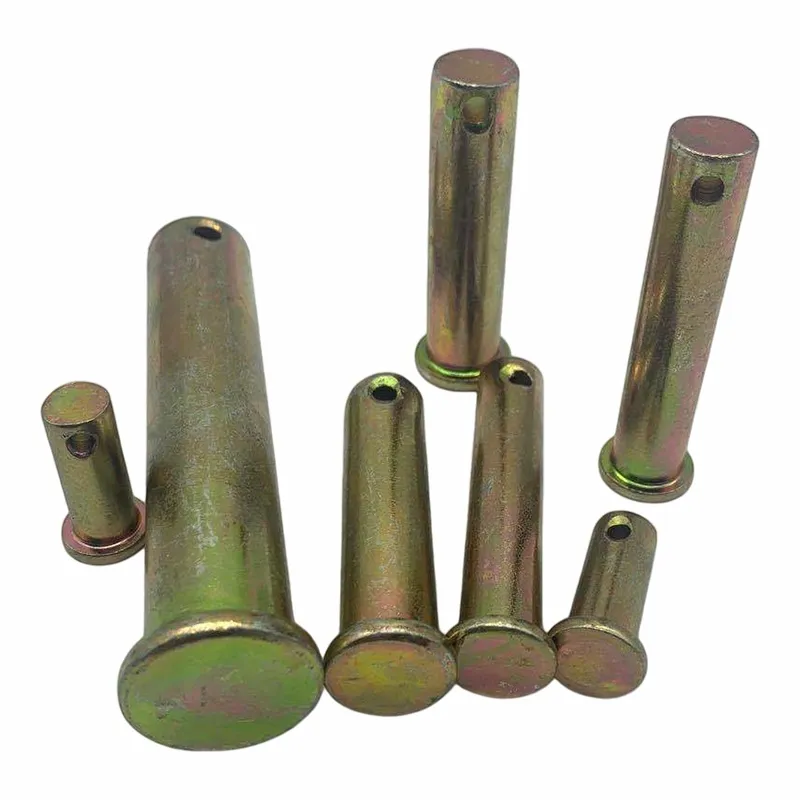
In some cases, it may be necessary to use specialized components to meet the performance requirements for a welded shaft in a dusty environment. For example, Smooth Shaft can be used to reduce friction and wear on the shaft. Smooth shafts have a smooth surface finish that can help prevent dust particles from adhering to the surface and reduce the risk of abrasion. Shaft Saver Sleeve can also be used to protect the shaft from wear and damage. Shaft saver sleeves are made of a durable material that can withstand abrasion and corrosion and can be easily installed on the shaft.
Another specialized component that can be used is a Spindle Core. Spindle cores are designed to provide a high level of support and stability for the shaft. They can help prevent the shaft from bending or vibrating, which can reduce the risk of wear and damage. Bearing for Rotating Shaft is also an important component that can help reduce friction and wear on the shaft. Bearings are designed to support the shaft and allow it to rotate smoothly. They can be made of a variety of materials, including steel, ceramic, and plastic, and can be selected based on the specific requirements of the application.
Conclusion
Meeting the performance requirements for a welded shaft in a dusty environment requires a combination of selecting the right materials, applying protective coatings, implementing sealing and lubrication, performing regular maintenance and inspection, and using specialized components. By following these strategies, you can ensure the reliability and longevity of your welded shafts and minimize the risk of downtime and costly repairs.
If you are in the market for high-quality welded shafts that can meet the performance requirements in dusty environments, please feel free to contact us. We are a leading supplier of Welded Shaft and can provide you with the products and services you need to keep your machinery running smoothly.
References
- Smith, J. (2018). Welded Shaft Design and Manufacturing. Industrial Press.
- Jones, R. (2019). Dust Protection for Mechanical Components. Elsevier.
- Brown, S. (2020). Lubrication and Sealing in Harsh Environments. CRC Press.