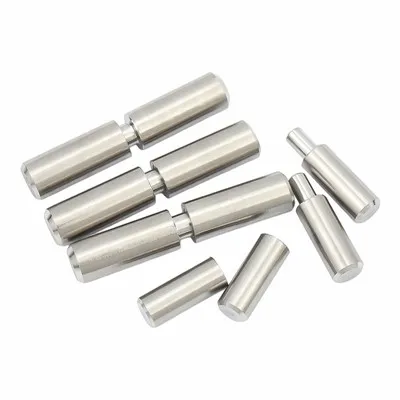
Hey there! As a supplier of internal pipe plugs, I've been diving deep into how these little components can have a big impact on a pipe's acoustic properties. In this blog, I'll share some insights on what's going on and why it matters.
First off, let's talk about what internal pipe plugs are. They're basically devices used to seal the inside of pipes. You can use them for all sorts of reasons - maybe to block off a section of a pipeline during maintenance, or to stop the flow of fluids when you're testing the pipe.
So, how does all this sealing business affect the pipe's acoustic properties? Well, one major thing is sound transmission. Sound travels through pipes in the form of pressure waves. When you use an internal pipe plug, it changes how these waves move through the pipe.
A high - quality internal pipe plug can act as a barrier for sound waves. It can reduce the amount of sound that travels along the length of the pipe. This is super important in many industries. For example, in HVAC (Heating, Ventilation, and Air Conditioning) systems, pipes are used to carry air and sometimes water. If there's too much noise traveling through these pipes, it can be really annoying for the people in the building. That's where our internal pipe plugs come in handy. By reducing sound transmission, they can make indoor environments quieter and more comfortable.
There's also the issue of resonance. Resonance is when an object vibrates at its natural frequency. Pipes can resonate, and this resonance can cause a lot of noise. An internal pipe plug can change the natural frequency of the pipe. When you insert a plug, it effectively changes the length and the mass distribution of the part of the pipe that's being considered. This can shift the natural frequency away from the frequencies that are being generated in the system, reducing the chances of resonance and the resulting noise.
Let's take a closer look at the materials used in internal pipe plugs. We usually make them from materials like rubber, plastic, or metal. Each material has a different effect on acoustic properties.
Rubber plugs are great at absorbing sound. The soft and flexible nature of rubber allows it to dampen the vibrations caused by sound waves. When a sound wave hits a rubber plug, the rubber molecules start to move around, and this motion converts the sound energy into heat energy. So, instead of the sound wave passing through the plug and continuing down the pipe, it gets absorbed.
Plastic plugs also have some acoustic benefits. They're often lightweight and can be designed with specific structures to reduce sound transmission. Some plastics can be made with a honeycombed or foam - like structure, which can trap sound waves and prevent them from traveling further.
Metal plugs, on the other hand, are more rigid. They can reflect sound waves rather than absorb them. If you place a metal plug in a pipe, the sound wave will hit the plug and bounce back. This can be useful in some situations, like when you want to direct the sound back towards its source or to create a sort of acoustic buffer zone.
Now, I want to mention some of the other products that are related to our internal pipe plugs and can also play a role in a pipe system's acoustic performance.
Check out Sensor Machining. Sensors can be used in pipes to monitor various parameters, including sound levels. By having accurate sensor data, you can better understand how the pipe is behaving acoustically and make adjustments as needed.
Stainless Steel Valve Core is another important component. Valves control the flow of fluids in pipes. When a valve opens and closes, it can create noise. A high - quality stainless - steel valve core can operate more smoothly, reducing the noise generated during the flow control process.
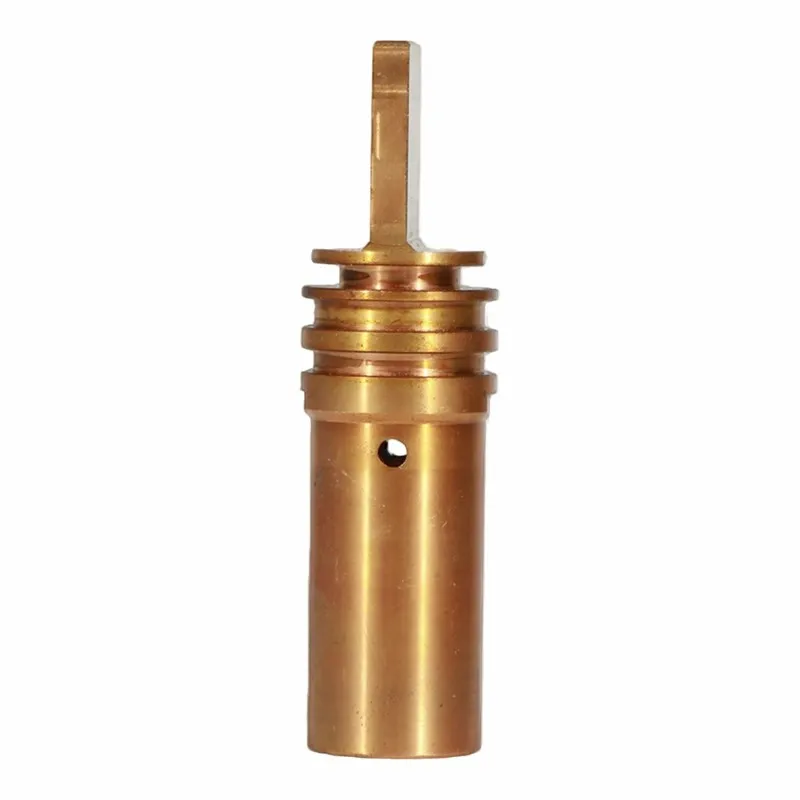

The Male and Female Thread Adapter is used to connect different parts of a pipe system. A well - made adapter can ensure a tight and secure connection. Loose connections can cause vibrations and noise, so using a good adapter can help maintain a quiet pipe system.
Precision Machine Auto Components are often used in pipes that are part of automotive systems. These components need to be precise to work properly and to minimize noise. Any misalignment or rough surface can cause extra noise as fluids or gases flow through the pipes.
shaft Sleeve Bushing can also have an impact on pipe acoustics. In systems where there are rotating parts within the pipe, a shaft sleeve bushing can provide a smooth surface for rotation. This reduces friction and the noise that comes with it.
So, in summary, internal pipe plugs have a significant impact on a pipe's acoustic properties. They can reduce sound transmission, prevent resonance, and create a quieter environment. And when you combine them with other high - quality components like the ones I've mentioned, you can really optimize the acoustic performance of your pipe system.
If you're interested in improving the acoustic properties of your pipe systems, or if you're just looking for high - quality internal pipe plugs and related products, don't hesitate to reach out. We're here to help you find the best solutions for your specific needs. Whether you're in the HVAC industry, automotive, or any other field that uses pipes, we've got the products and expertise to make your pipes quieter and more efficient.
References:
- Acoustic Principles in Pipe Systems - A Textbook on Fluid - borne Noise
- Handbook of Pipe Components and Their Acoustic Effects