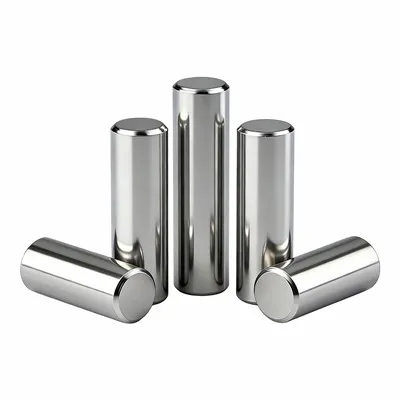
What is the coefficient of friction of knurled dowel pins? Well, let me tell you, as a supplier of knurled dowel pins, I've dealt with this question quite a bit.
First off, the coefficient of friction is a measure of how much resistance there is between two surfaces in contact. For knurled dowel pins, this is super important because it affects how well they hold things together. You see, knurled dowel pins are used in all sorts of applications where you need a secure fit. They're like the unsung heroes of the mechanical world, quietly doing their job to keep everything in place.
The knurling on the dowel pins is what really makes a difference when it comes to the coefficient of friction. Knurling is that textured pattern you see on the surface of the pin. It's not just for looks; it's there to increase the friction between the pin and the hole it's inserted into. When you have a higher coefficient of friction, the pin is less likely to come loose, which is crucial in applications where safety and stability are key.
Now, the actual coefficient of friction for knurled dowel pins can vary depending on a few factors. One of the main factors is the material of the pin. Different materials have different surface properties, which can affect how much friction they generate. For example, steel knurled dowel pins tend to have a higher coefficient of friction compared to aluminum ones. This is because steel is a harder and rougher material, which allows for more grip.
Another factor that can influence the coefficient of friction is the type of knurling. There are different patterns of knurling, such as straight knurling, diamond knurling, and cross knurling. Each pattern has its own unique properties and can affect the friction in different ways. For instance, diamond knurling typically provides a higher coefficient of friction compared to straight knurling because it has a more complex pattern that can dig into the surface of the hole.
The surface finish of the hole also plays a role. If the hole is smooth, the knurled dowel pin may not grip as well, resulting in a lower coefficient of friction. On the other hand, if the hole has a rough surface, the pin can better engage with it, increasing the friction.
In industrial applications, knowing the coefficient of friction of knurled dowel pins is essential for proper design and installation. Engineers need to calculate the right amount of force required to insert the pin and ensure that it will stay in place under the expected loads. If the coefficient of friction is too low, the pin may come loose, leading to potential failures and safety hazards.
Let's talk about some real - world applications. Knurled dowel pins are commonly used in machinery, automotive, and aerospace industries. In machinery, they're used to align and secure different components. For example, in a lathe, knurled dowel pins can be used to hold the tool holder in place, ensuring accurate machining. In the automotive industry, they're used in engines and transmissions to keep parts in the right position. And in aerospace, where precision and reliability are of utmost importance, knurled dowel pins are used in critical components to prevent any movement that could compromise the safety of the aircraft.
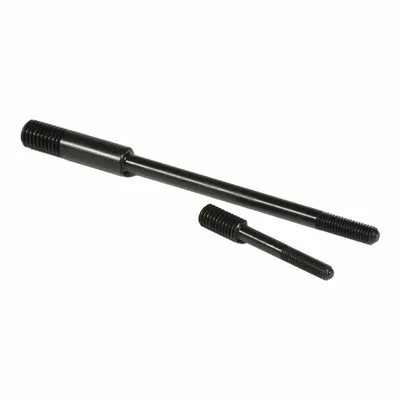
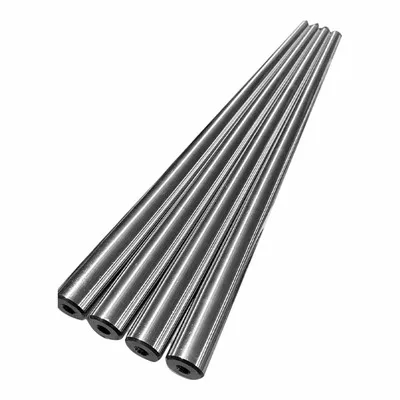
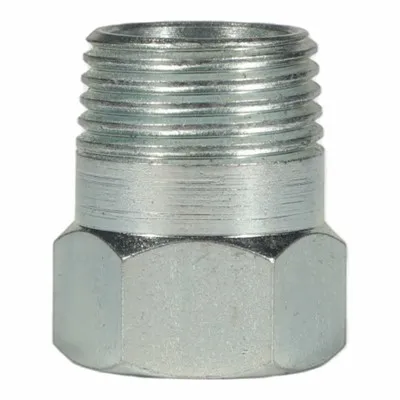
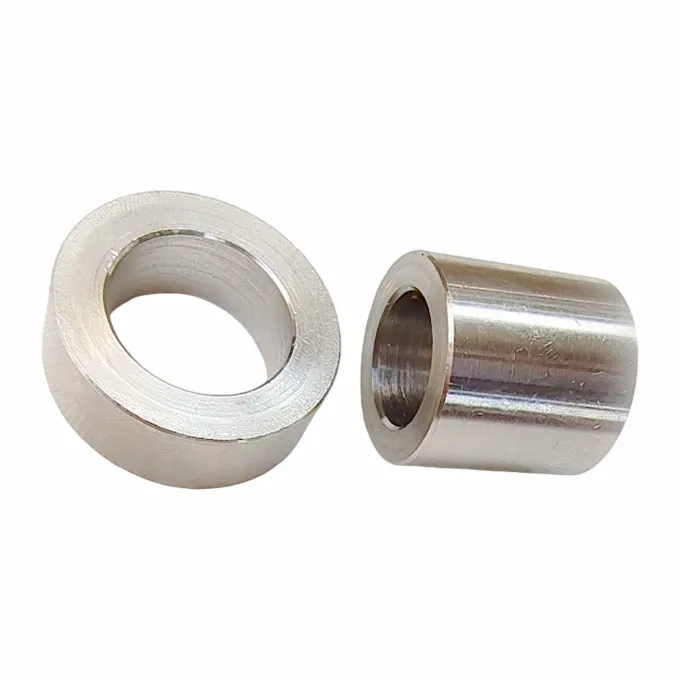
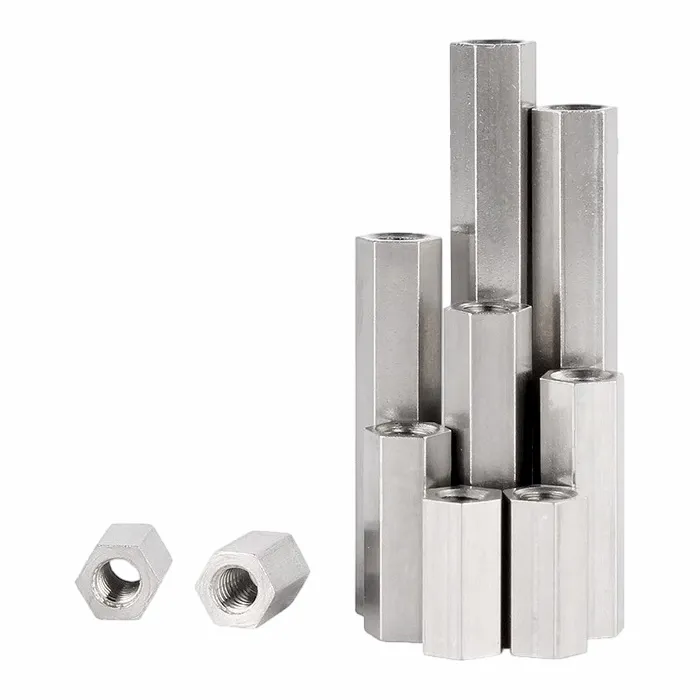
Now, if you're in the market for high - quality knurled dowel pins, you've come to the right place. We offer a wide range of knurled dowel pins with different materials, knurling patterns, and sizes to meet your specific needs. And we don't just stop at knurled dowel pins. We also supply other related products like Waterproof Connector Sleeve, Iron Bushing, and Hex Stud Bolt.
Our products are made with the highest quality standards, ensuring that you get the best performance and reliability. Whether you're a small - scale manufacturer or a large industrial company, we can provide you with the right solutions.
If you're interested in learning more about our knurled dowel pins or any of our other products, don't hesitate to reach out. We're here to answer all your questions and help you find the perfect products for your applications. Contact us today to start a procurement discussion and see how we can meet your needs.
References:
- "Mechanical Engineering Handbook" - A comprehensive guide on mechanical components and their properties.
- "Industrial Fasteners Handbook" - Focuses on different types of fasteners, including dowel pins, and their applications.