What is the Load - Bearing Capacity of CNC Bushings?
As a supplier of CNC bushings, I've encountered numerous inquiries from clients regarding the load - bearing capacity of these essential components. Understanding the load - bearing capacity of CNC bushings is crucial for ensuring the optimal performance and safety of various mechanical systems. In this blog, I'll delve into the concept of load - bearing capacity, the factors that influence it, and how it relates to the practical applications of CNC bushings.
Defining Load - Bearing Capacity
The load - bearing capacity of a CNC bushing refers to the maximum amount of load or force that the bushing can withstand without experiencing significant deformation, failure, or a reduction in its performance. This load can be in the form of radial loads, axial loads, or a combination of both. Radial loads act perpendicular to the axis of the bushing, while axial loads act parallel to the axis.
For example, in a machine tool spindle, the CNC bushing needs to support the radial forces generated by the cutting tool during machining operations. In a linear motion system, the bushing may be subjected to axial loads as it guides the movement of a carriage.
Factors Influencing Load - Bearing Capacity
Material Properties
The material used to manufacture the CNC bushing plays a vital role in determining its load - bearing capacity. Common materials for CNC bushings include bronze, steel, and plastic.
Bronze bushings are known for their excellent wear resistance and self - lubricating properties. They can handle moderate to high radial loads and are often used in applications where there is a need for smooth operation and low friction. Steel bushings, on the other hand, are stronger and can withstand higher loads, especially in high - stress applications. Plastic bushings are lightweight and offer good corrosion resistance, but their load - bearing capacity is generally lower compared to metal bushings.
Bushing Design
The design of the CNC bushing also affects its load - bearing capacity. Factors such as the diameter, length, wall thickness, and the presence of features like flanges or grooves can impact how the bushing distributes and withstands loads.
A bushing with a larger diameter and thicker wall can typically support higher loads. Flanges can provide additional support and help distribute the load more evenly, especially in applications where there are axial loads. Grooves or lubrication channels can improve the lubrication of the bushing, reducing friction and wear, and thus enhancing its load - bearing capacity.
Lubrication
Proper lubrication is essential for maximizing the load - bearing capacity of CNC bushings. Lubricants reduce friction between the bushing and the shaft, preventing excessive wear and heat generation.
There are different types of lubricants available, including oil - based and grease - based lubricants. The choice of lubricant depends on the application, operating conditions, and the material of the bushing. For example, in high - speed applications, oil - based lubricants may be more suitable, while grease - based lubricants are often used in applications where there is less frequent maintenance.
Operating Conditions
The operating conditions of the CNC bushing, such as temperature, speed, and the presence of contaminants, can also affect its load - bearing capacity.
High temperatures can cause the material of the bushing to expand and lose its mechanical properties, reducing its load - bearing capacity. High speeds can increase the friction and wear on the bushing, requiring more effective lubrication. Contaminants such as dust, dirt, and metal particles can also cause abrasion and damage to the bushing, reducing its performance and load - bearing capacity.
Practical Applications and Load - Bearing Requirements
CNC bushings are used in a wide range of applications, each with its own specific load - bearing requirements.
In automotive applications, CNC bushings are used in suspension systems, steering systems, and engine components. For example, in a suspension system, the bushings need to support the weight of the vehicle and absorb the shocks and vibrations from the road. These bushings are typically subjected to high radial and axial loads and require a high load - bearing capacity.
In industrial machinery, CNC bushings are used in machine tools, conveyors, and robotics. In a machine tool, the bushings in the spindle need to support the cutting forces and ensure the accuracy of the machining process. These bushings need to have a high load - bearing capacity and good precision.
In aerospace applications, CNC bushings are used in aircraft landing gear, control systems, and engine mounts. The bushings in these applications need to be lightweight, yet have a high load - bearing capacity to withstand the extreme forces and operating conditions.
How Our CNC Bushings Meet Load - Bearing Needs
As a supplier of Cnc Bushing, we understand the importance of load - bearing capacity in different applications. We offer a wide range of CNC bushings made from high - quality materials, including bronze, steel, and plastic, to meet the diverse load - bearing requirements of our clients.
Our engineering team uses advanced design and manufacturing techniques to optimize the load - bearing capacity of our bushings. We carefully select the materials and design the bushings to ensure that they can withstand the specific loads and operating conditions of each application.
We also provide comprehensive technical support to our clients. Our experts can help you choose the right CNC bushing for your application based on the load - bearing requirements, operating conditions, and other factors. We can also offer advice on lubrication, installation, and maintenance to ensure the long - term performance and reliability of the bushings.
Related Products and Their Role in Load - Bearing Systems
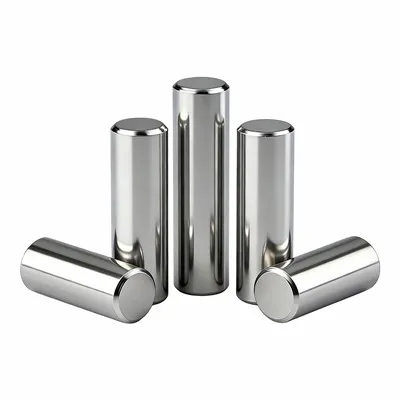
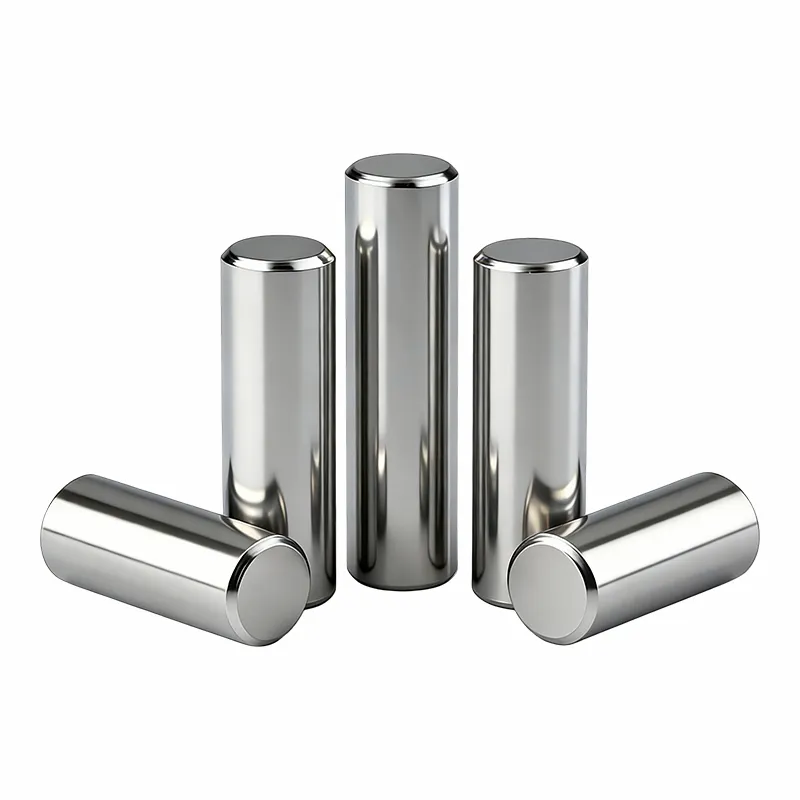
In addition to CNC bushings, we also offer other related products that can play a role in load - bearing systems. For example, Knurled Dowel Pins are used for precise alignment and location in mechanical assemblies. They can help distribute the load more evenly and improve the stability of the system.
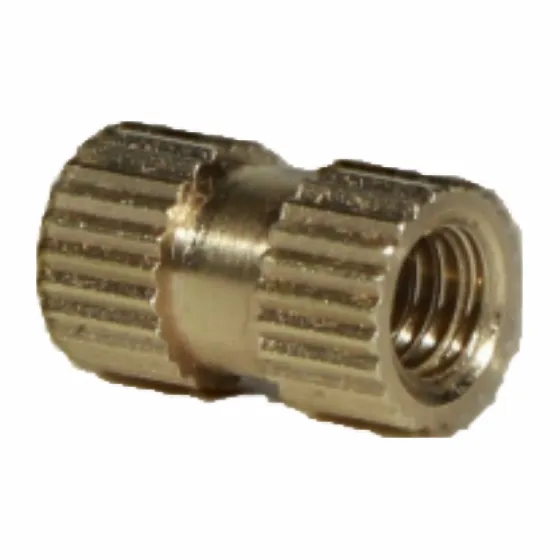
Stainless Steel Knurled Insert are used in applications where there is a need for a strong and reliable threaded connection. They can enhance the load - bearing capacity of the assembly by providing a secure and stable connection.
Contact Us for Your Load - Bearing Needs
If you are in need of high - quality CNC bushings or other related products for your load - bearing applications, we invite you to contact us. Our team of experts is ready to assist you in finding the right solutions for your specific requirements. Whether you are working on an automotive project, an industrial machinery application, or an aerospace design, we have the products and expertise to meet your needs.
We are committed to providing our clients with the best products and services. We offer competitive prices, fast delivery, and excellent customer support. So, don't hesitate to reach out to us and start a discussion about your load - bearing needs.
References
- "Mechanical Design Handbook" by Robert C. Juvinall and Kurt M. Marshek
- "Fundamentals of Machine Elements" by Richard G. Budynas and J. Keith Nisbett
- "Manufacturing Engineering and Technology" by Serope Kalpakjian and Steven R. Schmid