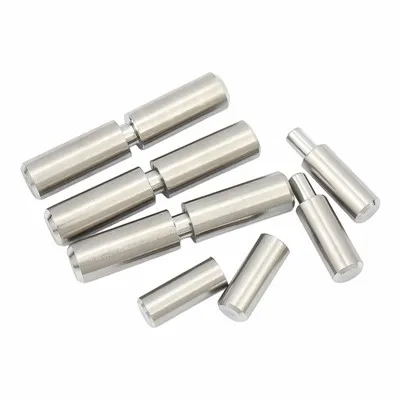
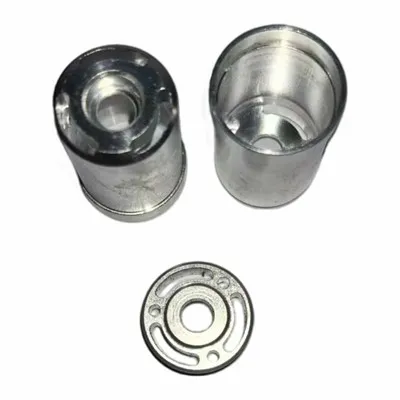
As a shaft sleeve bushing supplier, I often get asked about the corrosion resistance of these components. It's a crucial aspect that can significantly impact the performance and lifespan of machinery. So, let's dive into what corrosion resistance means for shaft sleeve bushings and why it matters.
What is Corrosion?
Corrosion is basically the gradual destruction of materials, usually metals, due to chemical reactions with their environment. When a shaft sleeve bushing is exposed to things like moisture, chemicals, or even just air over time, it can start to corrode. This corrosion can lead to a bunch of problems, like reducing the bushing's strength, changing its dimensions, and making it less effective at doing its job.
Why Corrosion Resistance is Important for Shaft Sleeve Bushings
Shaft sleeve bushings are used in all sorts of machinery, from small precision instruments to large industrial equipment. In many of these applications, they're exposed to harsh conditions. For example, in automotive engines, they can be exposed to engine oil, coolant, and combustion by - products. In industrial settings, they might come into contact with chemicals, water, or abrasive particles.
If a shaft sleeve bushing isn't corrosion - resistant, it can quickly degrade. This means that the machinery it's a part of might experience increased friction, wear, and even mechanical failures. For instance, a corroded bushing might not fit properly on the shaft, causing misalignment and putting extra stress on other components. This can lead to costly repairs and downtime.
Factors Affecting the Corrosion Resistance of Shaft Sleeve Bushings
Material Selection
The material used to make the shaft sleeve bushing plays a huge role in its corrosion resistance. Common materials include bronze, steel, and polymers.
Bronze is a popular choice because it has good corrosion resistance, especially in environments with moderate levels of moisture. It forms a protective oxide layer on its surface that helps prevent further corrosion. For example, in marine applications where the bushings are exposed to saltwater, bronze can hold up pretty well.
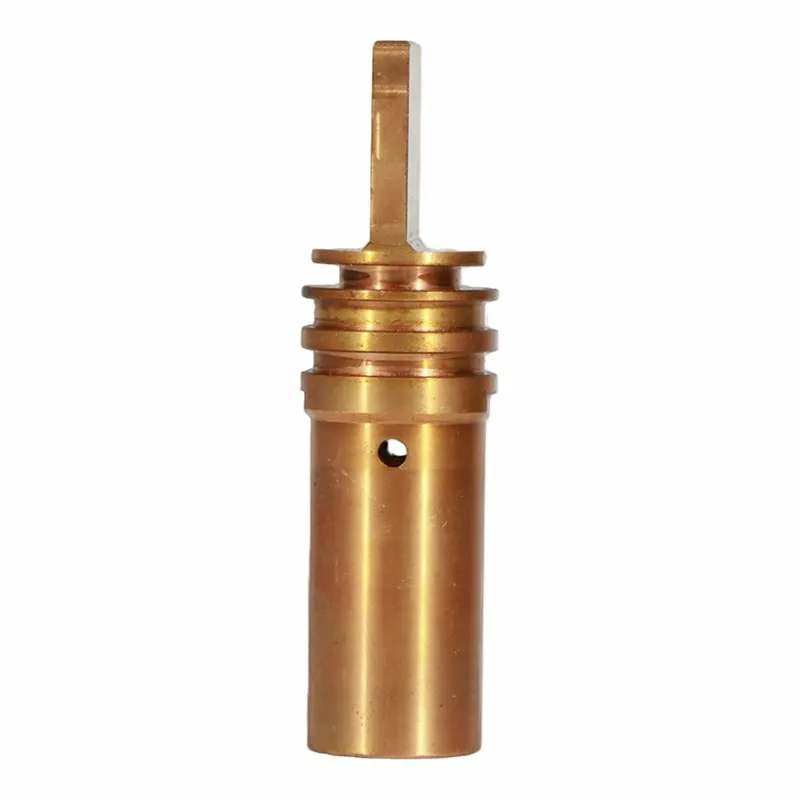
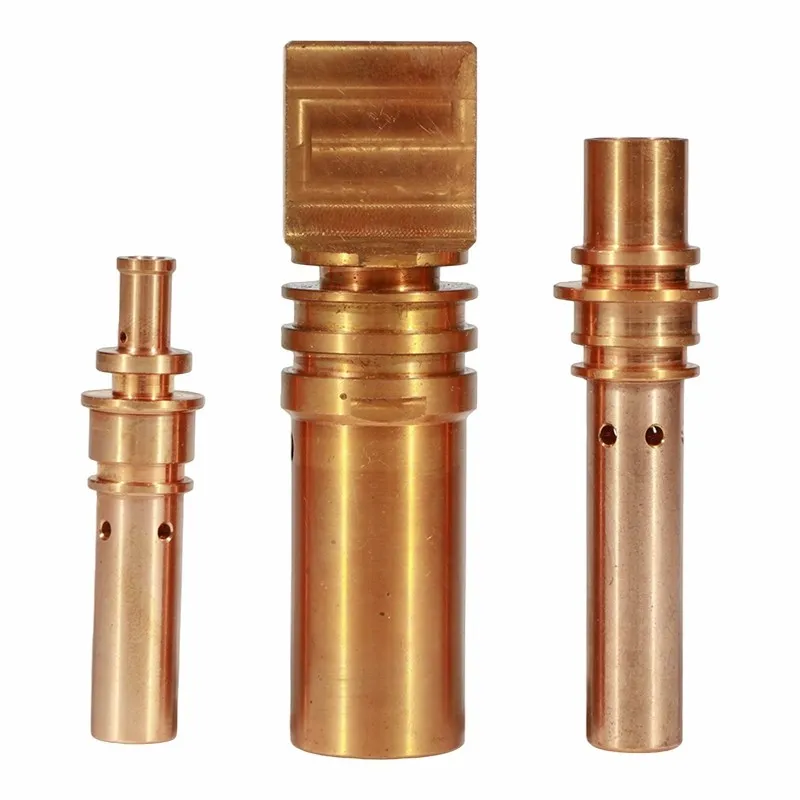
Steel can also be used, but it's more prone to corrosion unless it's properly treated. Stainless steel is a better option as it contains chromium, which forms a passive oxide layer that protects the steel from rusting. However, different grades of stainless steel have different levels of corrosion resistance, so it's important to choose the right one for the specific application.
Polymers, on the other hand, are generally very corrosion - resistant. They don't react with most chemicals and are not affected by moisture in the same way as metals. They're often used in applications where there's a lot of chemical exposure, like in the chemical processing industry.
Surface Treatment
Surface treatments can significantly improve the corrosion resistance of shaft sleeve bushings. One common treatment is plating. For example, zinc plating can be applied to steel bushings. Zinc acts as a sacrificial anode, which means it corrodes first, protecting the underlying steel. Another option is nickel plating, which provides a hard, corrosion - resistant surface.
Coatings can also be used. There are various types of coatings available, such as epoxy coatings and ceramic coatings. These coatings act as a barrier between the bushing and the environment, preventing corrosive substances from reaching the metal surface.
Environmental Conditions
The environment in which the shaft sleeve bushing operates has a big impact on its corrosion resistance. If the bushing is in a high - humidity environment, it's more likely to corrode. Similarly, exposure to chemicals, such as acids or alkalis, can accelerate the corrosion process.
In some cases, the presence of abrasive particles can also contribute to corrosion. These particles can scratch the surface of the bushing, breaking the protective layer and allowing corrosive substances to reach the underlying metal.
How to Evaluate the Corrosion Resistance of Shaft Sleeve Bushings
There are several ways to evaluate the corrosion resistance of shaft sleeve bushings. One common method is the salt spray test. In this test, the bushing is exposed to a salt - water mist for a certain period of time. After the test, the bushing is examined for signs of corrosion, such as rust or pitting.
Another method is immersion testing. The bushing is immersed in a solution that simulates the actual environment it will be used in. This could be a solution of chemicals or a mixture of water and other substances. The bushing is then monitored over time to see how it reacts to the solution.
Our Offerings as a Shaft Sleeve Bushing Supplier
As a supplier, we understand the importance of corrosion resistance. We offer a wide range of shaft sleeve bushings made from different materials and with various surface treatments to meet the needs of different applications.
We have bronze bushings that are great for general - purpose applications where moderate corrosion resistance is required. Our stainless - steel bushings are suitable for more demanding environments, such as those with high humidity or chemical exposure. And our polymer bushings are ideal for applications where chemical resistance is a top priority.
We also provide custom - made shaft sleeve bushings. If you have specific requirements for corrosion resistance, we can work with you to select the right material and surface treatment. We have a team of experts who can help you choose the best solution for your machinery.
Related Products
If you're interested in other related products, we also offer Precision Machine Auto Components, Iron Core Machining, and Mechanical Connecting Rod. These products are designed to work together with our shaft sleeve bushings to provide a complete solution for your machinery.
Contact Us for Purchasing
If you're in the market for shaft sleeve bushings or any of our related products, we'd love to hear from you. Whether you need a small quantity for a prototype or a large order for mass production, we can help. Our team is ready to answer your questions and provide you with a quote. Don't hesitate to reach out and start a discussion about your requirements.
References
- ASM Handbook, Volume 13A: Corrosion: Fundamentals, Testing, and Protection.
- Corrosion Engineering by Mars G. Fontana.
- Handbook of Corrosion Engineering by Pierre R. Roberge.