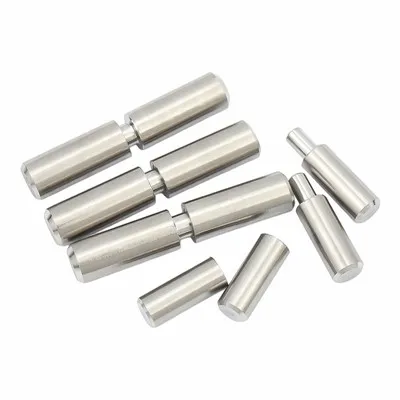
As a supplier of Stainless Steel Claw Locks, I understand the importance of maintaining these locks in top - notch condition. Stainless steel claw locks are not only durable but also offer high - level security. However, over time, they can accumulate dirt, grime, and other contaminants that may affect their performance. In this blog, I'll share some detailed steps on how to clean a stainless steel claw lock effectively.
Why Cleaning is Necessary
Before delving into the cleaning process, it's crucial to understand why cleaning a stainless steel claw lock is essential. First of all, dirt and debris can get stuck in the moving parts of the lock, such as the Mechanical Connecting Rod and Metal Joint Connector. This can cause the lock to jam or operate less smoothly, reducing its overall functionality and potentially compromising security.
Secondly, exposure to environmental elements like moisture, salt, and pollutants can lead to corrosion on the stainless steel surface. Corrosion not only affects the appearance of the lock but can also weaken the structure, making it more prone to damage. Regular cleaning helps prevent corrosion and extends the lifespan of the lock.
Tools and Materials Needed
To clean a stainless steel claw lock, you'll need the following tools and materials:
- Soft microfiber cloths: These are gentle on the stainless steel surface and won't scratch it.
- Mild dish soap: A non - abrasive, mild dish soap can effectively remove dirt and grease without harming the stainless steel.
- Warm water: Used to dilute the soap and rinse the lock.
- Toothbrush or small brush: Ideal for getting into the nooks and crannies of the lock, such as around the keyhole and the edges of the Square Ejector Pins.
- Stainless steel cleaner (optional): If the lock has stubborn stains or fingerprints, a specialized stainless steel cleaner can be used.
Step - by - Step Cleaning Process
Step 1: Preparation
Before starting the cleaning process, make sure the lock is in a safe and accessible position. If it's installed on a door or a piece of equipment, ensure that the area around it is clear. You may also want to remove any loose debris from the lock surface using a dry microfiber cloth.
Step 2: Dilute the Soap
Fill a small container with warm water and add a few drops of mild dish soap. Stir the mixture gently to create a soapy solution.
Step 3: Clean the Exterior
Dip a microfiber cloth into the soapy water and wring it out so that it's damp but not dripping. Gently wipe the exterior of the stainless steel claw lock, paying attention to areas with visible dirt or fingerprints. Use a circular motion to clean the surface evenly.
For areas with stubborn stains, you can use a small amount of stainless steel cleaner on a clean microfiber cloth. Apply the cleaner to the stain and rub gently until the stain is removed. Be sure to follow the manufacturer's instructions when using the cleaner.

Step 4: Clean the Keyhole and Moving Parts
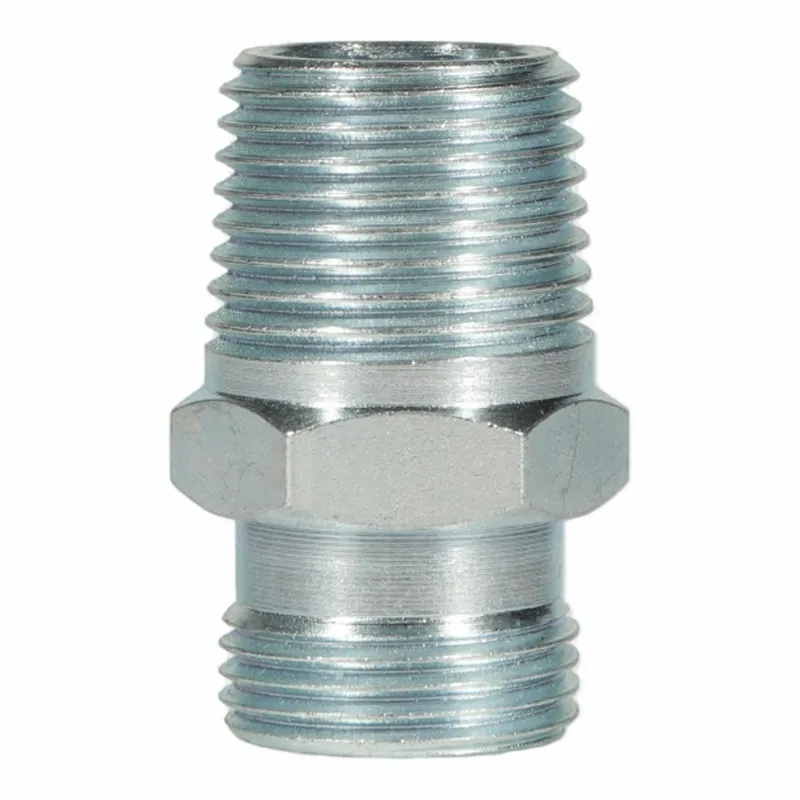
Use a toothbrush or a small brush to clean the keyhole. Dip the brush into the soapy water and carefully scrub the inside of the keyhole to remove any dirt or debris. You can also use the brush to clean the Mechanical Connecting Rod and Metal Joint Connector areas. These parts are often overlooked but can accumulate a significant amount of dirt, which can affect the lock's operation.
Step 5: Rinse
After cleaning the lock, rinse it thoroughly with clean water. You can use a clean microfiber cloth dampened with water to wipe away any remaining soap residue. Make sure to dry the lock completely to prevent water spots and corrosion.
Step 6: Lubrication
Once the lock is dry, it's a good idea to lubricate the moving parts. You can use a silicone - based lubricant or a graphite powder. Apply a small amount of lubricant to the keyhole, the Mechanical Connecting Rod, and the Metal Joint Connector. Insert the key into the lock and turn it a few times to distribute the lubricant evenly.
Tips for Maintaining a Clean Stainless Steel Claw Lock
- Regular Inspections: Conduct regular inspections of the lock to identify any signs of dirt, damage, or corrosion early on.
- Avoid Harsh Chemicals: Never use abrasive cleaners, bleach, or ammonia on stainless steel claw locks, as these can damage the surface.
- Keep the Area Clean: Keep the area around the lock clean to prevent dirt and debris from accumulating on the lock.
Conclusion
Cleaning a stainless steel claw lock is a relatively simple process that can significantly improve its performance and lifespan. By following the steps outlined in this blog, you can ensure that your stainless steel claw lock remains in excellent condition.
If you're in the market for high - quality Stainless Steel Claw Locks, we are here to assist you. Our products are designed with precision and built to last. We offer a wide range of options to meet your specific needs. Whether you're a homeowner, a business owner, or a contractor, we can provide the perfect solution for you. Contact us to start a procurement discussion and find out how our products can benefit you.
References
- "Stainless Steel Maintenance Guide", Industry Standard Publications
- "Locksmithing Basics", Professional Locksmith Association