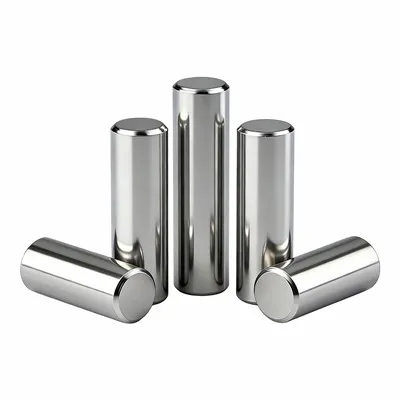
When it comes to the world of fasteners, the knurled thumb nut is a small yet significant component. As a supplier of knurled thumb nuts, I've had the opportunity to delve deep into the various aspects of these nuts, including their hardness. In this blog post, I'll explore what the hardness of a knurled thumb nut means, why it matters, and how it impacts the performance of these nuts in different applications.
Understanding Hardness in Knurled Thumb Nuts
Hardness is a fundamental property of any material, and in the case of knurled thumb nuts, it refers to the nut's ability to resist deformation, wear, and indentation. It is a measure of how well the nut can withstand the forces applied to it during use. The hardness of a knurled thumb nut is determined by the material from which it is made and the manufacturing processes it undergoes.
Material Selection
The choice of material plays a crucial role in determining the hardness of a knurled thumb nut. Common materials used for knurled thumb nuts include stainless steel, brass, and aluminum. Each material has its own unique hardness characteristics.
- Stainless Steel: Stainless steel is a popular choice for knurled thumb nuts due to its high strength, corrosion resistance, and durability. It typically has a high hardness level, which makes it suitable for applications where the nut needs to withstand heavy loads and resist wear. Stainless Steel Insert Nuts are often made from stainless steel, and they share similar hardness properties with knurled thumb nuts.
- Brass: Brass is a softer material compared to stainless steel, but it still offers good corrosion resistance and is relatively easy to machine. Knurled thumb nuts made from brass are often used in applications where a lower hardness is acceptable, such as in electrical or decorative applications.
- Aluminum: Aluminum is a lightweight material with a relatively low hardness. It is commonly used in applications where weight is a concern, such as in aerospace or automotive industries. However, aluminum knurled thumb nuts may not be suitable for applications that require high strength or resistance to wear.
Manufacturing Processes
The manufacturing processes used to produce knurled thumb nuts can also affect their hardness. For example, heat treatment is a common process used to increase the hardness of a nut. By heating the nut to a specific temperature and then quenching it, the material's structure is altered, resulting in increased hardness. Cold forming is another process that can be used to improve the hardness of a knurled thumb nut. During cold forming, the nut is shaped under high pressure, which can work-harden the material and increase its hardness.
Why Hardness Matters
The hardness of a knurled thumb nut is important for several reasons. Firstly, it affects the nut's ability to hold its position and resist loosening. A harder nut is less likely to be affected by vibrations or other external forces, which can cause it to come loose over time. This is particularly important in applications where the nut needs to maintain a secure connection, such as in machinery or automotive components.
Secondly, hardness impacts the nut's resistance to wear and tear. A harder nut is less likely to be damaged or worn down during use, which can extend its lifespan and reduce the need for frequent replacements. This is especially important in applications where the nut is subjected to high levels of friction or abrasion, such as in industrial machinery or construction equipment.
Finally, the hardness of a knurled thumb nut can also affect its performance in different environments. For example, in corrosive environments, a harder nut may be more resistant to corrosion and oxidation, which can help to maintain its integrity and functionality over time.
Measuring the Hardness of Knurled Thumb Nuts
There are several methods used to measure the hardness of knurled thumb nuts. The most common method is the Rockwell hardness test, which measures the depth of penetration of an indenter into the material. The Rockwell hardness scale uses different scales, such as the HRA, HRB, and HRC scales, depending on the material being tested. Another method is the Brinell hardness test, which measures the diameter of the indentation made by a hard ball pressed into the material.

Applications of Knurled Thumb Nuts Based on Hardness
The hardness of a knurled thumb nut can determine its suitability for different applications. Here are some examples:
- Heavy-Duty Applications: In applications where the nut needs to withstand high loads and resist wear, such as in industrial machinery or construction equipment, knurled thumb nuts made from high-hardness materials like stainless steel are often used. These nuts can provide a secure and reliable connection, even under extreme conditions.
- Light-Duty Applications: For applications where the nut is not subjected to high loads or wear, such as in electrical or decorative applications, knurled thumb nuts made from softer materials like brass or aluminum may be sufficient. These nuts are often used for their aesthetic appeal or ease of use.
- Corrosive Environments: In environments where the nut is exposed to corrosive substances, such as in marine or chemical applications, knurled thumb nuts made from corrosion-resistant materials like stainless steel are preferred. The high hardness of stainless steel helps to resist corrosion and maintain the nut's integrity over time.
Choosing the Right Knurled Thumb Nut Based on Hardness
When choosing a knurled thumb nut, it's important to consider the specific requirements of your application. Here are some factors to keep in mind:
- Load Requirements: Determine the amount of load the nut will need to withstand. If the application involves heavy loads, choose a nut made from a high-hardness material like stainless steel.
- Wear Resistance: Consider the level of wear and tear the nut will be exposed to. If the nut will be subjected to high levels of friction or abrasion, choose a nut with a higher hardness.
- Environmental Conditions: Take into account the environment in which the nut will be used. If the environment is corrosive, choose a nut made from a corrosion-resistant material.
Conclusion
The hardness of a knurled thumb nut is a critical factor that affects its performance and suitability for different applications. By understanding the importance of hardness, you can make an informed decision when choosing a knurled thumb nut for your specific needs. Whether you're looking for a nut that can withstand heavy loads, resist wear, or perform well in corrosive environments, there is a knurled thumb nut available to meet your requirements.
If you're interested in purchasing knurled thumb nuts or other types of fasteners, I invite you to contact us for more information. Our team of experts is ready to assist you in finding the right products for your application. We offer a wide range of Knurled Thumb Nuts, Stainless Steel Insert Nuts, and Extended Hex Nut to meet your specific needs.
References
- Callister, W. D., & Rethwisch, D. G. (2018). Materials Science and Engineering: An Introduction. Wiley.
- ASM Handbook Volume 1: Properties and Selection: Irons, Steels, and High-Performance Alloys. ASM International.