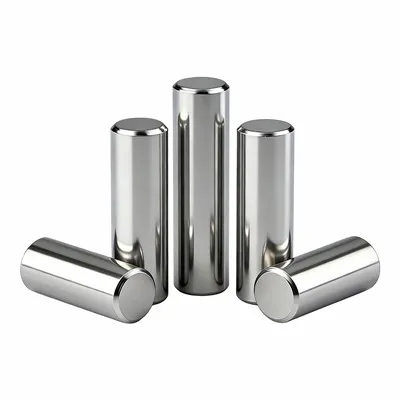
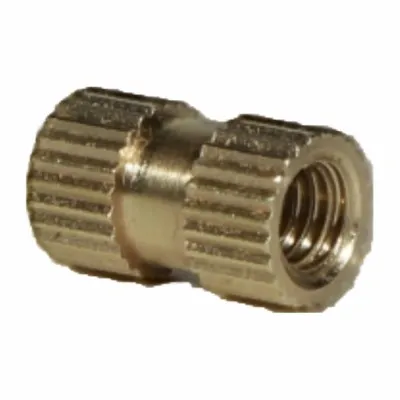
When it comes to food - processing applications, the choice of fasteners is of utmost importance. As a Hex Stud Bolt supplier, I am often asked whether hex stud bolts can be used in this particular field. In this blog, we will delve into the factors that determine the suitability of hex stud bolts for food - processing applications.
1. Material Considerations
The first and perhaps the most crucial factor is the material of the hex stud bolts. In food - processing environments, materials must be non - toxic and resistant to corrosion. Stainless steel is a popular choice for hex stud bolts in food - processing applications. It contains chromium, which forms a passive oxide layer on the surface, protecting the bolt from rust and corrosion. For example, grade 304 and 316 stainless steel are commonly used. Grade 316 has a higher molybdenum content, providing better resistance to pitting and crevice corrosion, making it suitable for more aggressive food - processing conditions such as those involving high - salt or acidic foods.
Another material option is titanium. Titanium is lightweight, strong, and highly resistant to corrosion. It is biocompatible, which means it is safe for contact with food. However, titanium hex stud bolts are generally more expensive than stainless steel ones.
2. Hygiene Requirements
Food - processing facilities have strict hygiene standards. Hex stud bolts used in these areas must be easy to clean and free from crevices where food particles and bacteria can accumulate. Smooth - surface hex stud bolts are preferred as they are less likely to trap debris. Additionally, the bolts should be able to withstand frequent cleaning and sanitization processes. For instance, they should not be affected by common cleaning agents such as detergents, disinfectants, and hot water.
Some hex stud bolts come with special coatings that enhance their hygiene properties. These coatings can make the surface smoother and more resistant to chemical attack. For example, a PTFE (polytetrafluoroethylene) coating can reduce friction and prevent food from sticking to the bolt surface.
3. Mechanical Performance
In food - processing equipment, hex stud bolts need to provide reliable mechanical performance. They must be able to withstand the vibrations, shocks, and loads associated with the operation of the machinery. The strength of the hex stud bolts is determined by their grade. Higher - grade bolts can handle greater loads. For example, a grade 8.8 hex stud bolt has a higher tensile strength than a grade 4.6 bolt.
The length and diameter of the hex stud bolts also play a role in their mechanical performance. The right combination of length and diameter ensures proper clamping force, which is essential for holding components together securely. If the clamping force is too low, the components may come loose during operation, leading to equipment failure.
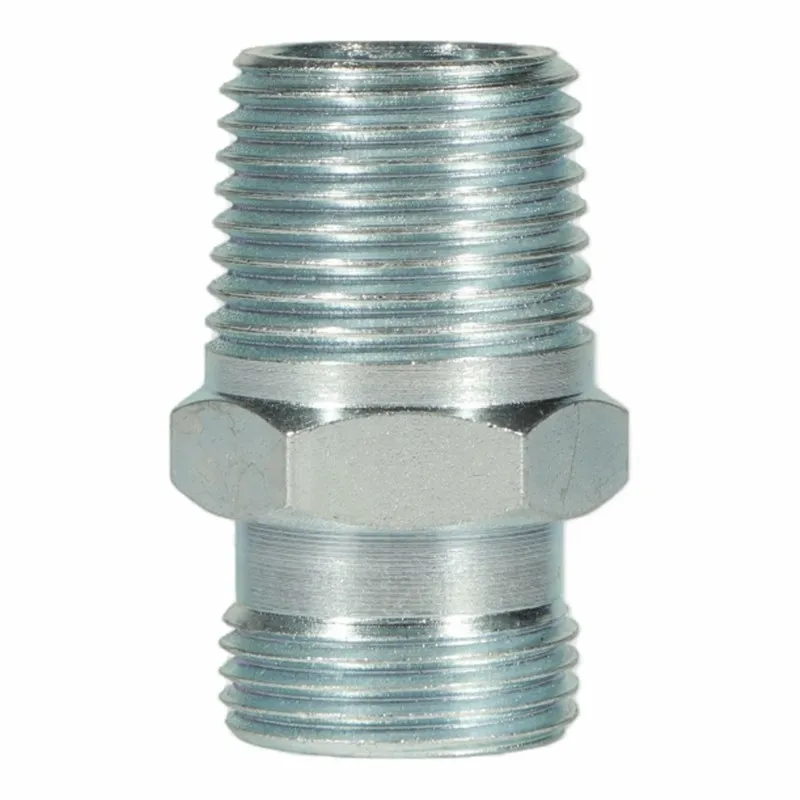
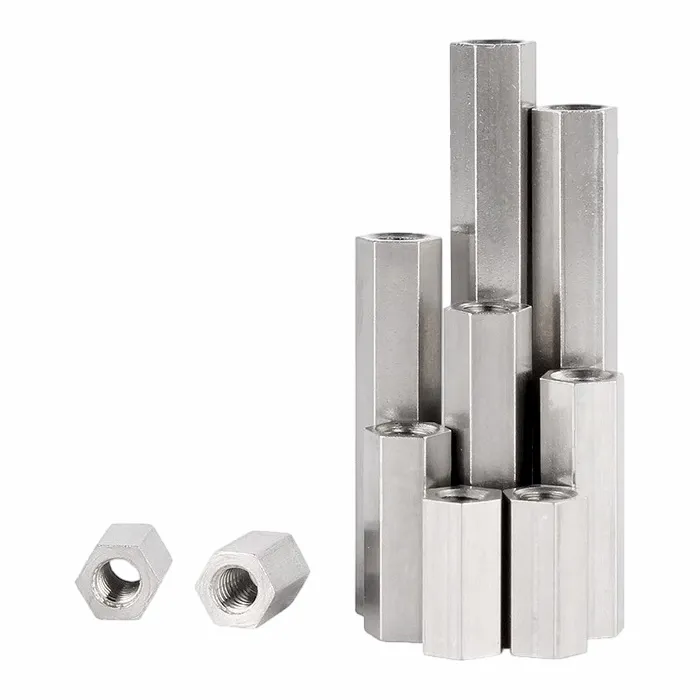
4. Compatibility with Food - Contact Surfaces
Hex stud bolts used in food - processing applications must be compatible with the materials they come into contact with. For example, if the bolt is in contact with food - grade plastic or rubber components, there should be no chemical reactions that could contaminate the food. Some metals may react with certain plastics or rubbers, causing degradation of the materials or the release of harmful substances.
5. Industry Standards and Regulations
The food - processing industry is highly regulated. Hex stud bolts used in this field must comply with relevant standards and regulations. For example, in the United States, the Food and Drug Administration (FDA) has specific requirements for materials that come into contact with food. Bolts must meet these requirements to ensure the safety of the food products.
In Europe, the European Food Safety Authority (EFSA) also sets standards for food - contact materials. Suppliers of hex stud bolts need to ensure that their products meet these international standards to be used in food - processing applications.
Advantages of Using Hex Stud Bolts in Food - Processing
There are several advantages to using hex stud bolts in food - processing applications. Firstly, they are easy to install and remove. This is important for maintenance and repair work in food - processing equipment. Secondly, they provide a reliable and secure connection between components. This helps to ensure the smooth operation of the machinery and reduces the risk of breakdowns.
Hex stud bolts also offer flexibility in terms of installation. They can be used in a variety of applications, from small - scale food - processing equipment to large - scale industrial plants.
Limitations and Considerations
Despite their advantages, there are some limitations to using hex stud bolts in food - processing applications. As mentioned earlier, the cost of high - quality materials such as titanium can be a deterrent. Additionally, if the bolts are not properly maintained, they may corrode over time, which can affect their performance and pose a risk to food safety.
It is also important to note that the design of the hex stud bolts should be carefully considered. For example, the head of the bolt should not have sharp edges that could cause injury during handling or cleaning.
Conclusion
In conclusion, hex stud bolts can be used in food - processing applications, provided that they meet the requirements of material, hygiene, mechanical performance, compatibility, and industry standards. As a Hex Stud Bolt supplier, we offer a wide range of hex stud bolts made from different materials and grades to meet the diverse needs of the food - processing industry. Our Hex Stud Bolt products are designed to ensure safety, reliability, and compliance with international standards.
We also offer Waterproof Connector Sleeve and Knurled Stud options that can be used in conjunction with hex stud bolts in food - processing equipment.
If you are in the food - processing industry and are looking for high - quality hex stud bolts or other related products, we invite you to contact us for procurement and further discussions. We are committed to providing you with the best solutions for your food - processing needs.
References
- "Food - Contact Materials: Regulations and Standards" by International Food Information Council Foundation.
- "Corrosion Resistance of Metals in Food - Processing Environments" by Journal of Food Science and Technology.
- "Mechanical Properties of Fasteners in Industrial Applications" by ASME (American Society of Mechanical Engineers).