Hey there! As a knurled stud supplier, I often get asked about the corrosion resistance of these little but mighty fasteners. So, I thought I'd take a deep dive into this topic and share some insights with you all.
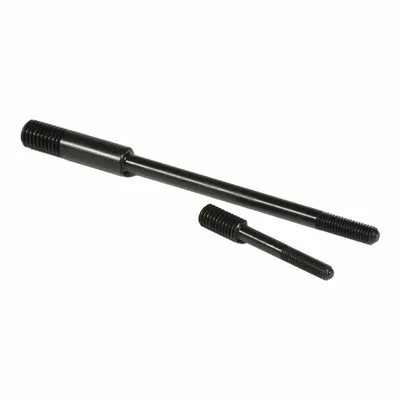
First off, let's talk about what knurled studs are. Knurled studs are basically threaded rods with a knurled section. The knurling is a pattern of small ridges or bumps that provides a better grip when the stud is inserted into a material. They're used in a wide range of applications, from automotive and aerospace to electronics and machinery.
Now, onto the big question: what's the corrosion resistance of knurled studs? Well, it depends on a few factors.
Material Matters
The material of the knurled stud plays a huge role in its corrosion resistance. Common materials for knurled studs include stainless steel, carbon steel, and brass.
- Stainless Steel: This is a popular choice for its excellent corrosion resistance. Stainless steel contains chromium, which forms a thin, protective oxide layer on the surface of the stud. This layer acts as a barrier, preventing oxygen and moisture from reaching the metal and causing corrosion. There are different grades of stainless steel, such as 304 and 316. Grade 316, in particular, has a higher molybdenum content, which makes it even more resistant to corrosion, especially in harsh environments like marine settings.
- Carbon Steel: Carbon steel is strong and relatively inexpensive, but it's not as corrosion-resistant as stainless steel. Without proper treatment, carbon steel knurled studs can rust easily when exposed to moisture and oxygen. However, they can be coated or treated to improve their corrosion resistance. For example, they can be galvanized, which involves applying a layer of zinc to the surface of the stud. The zinc acts as a sacrificial anode, corroding instead of the steel.
- Brass: Brass is an alloy of copper and zinc. It has good corrosion resistance, especially in environments where there's a low level of moisture and chemicals. Brass knurled studs are often used in decorative applications or in situations where electrical conductivity is important.
Surface Treatments
In addition to the base material, surface treatments can significantly enhance the corrosion resistance of knurled studs.
- Galvanizing: As mentioned earlier, galvanizing is a common surface treatment for carbon steel knurled studs. It provides a protective layer of zinc that helps prevent rusting. There are two main types of galvanizing: hot-dip galvanizing and electro-galvanizing. Hot-dip galvanizing involves dipping the studs into a bath of molten zinc, which results in a thicker and more durable coating. Electro-galvanizing, on the other hand, uses an electric current to deposit a thin layer of zinc onto the studs.
- Plating: Other types of plating can also be used to improve corrosion resistance. For example, nickel plating can provide a shiny, corrosion-resistant surface. Chrome plating is another option, which not only offers good corrosion protection but also gives the studs an attractive appearance.
- Powder Coating: Powder coating is a process where a dry powder is applied to the studs and then heated to form a hard, protective coating. It can provide excellent corrosion resistance and is available in a variety of colors.
Environmental Factors
The environment in which the knurled studs are used also affects their corrosion resistance.
- Moisture: Moisture is one of the main culprits when it comes to corrosion. In humid environments or areas with high levels of moisture, such as near the ocean or in industrial settings with water vapors, the risk of corrosion increases. Stainless steel and properly treated carbon steel studs are better suited for these environments.
- Chemicals: Exposure to chemicals can also cause corrosion. For example, in chemical processing plants or areas with acidic or alkaline substances, the studs need to be made of materials that can withstand these chemicals. Stainless steel, especially grade 316, is a good choice in such environments.
- Temperature: Extreme temperatures can also impact the corrosion resistance of knurled studs. High temperatures can accelerate the corrosion process, while low temperatures can cause the metal to become brittle.
Comparing with Related Products
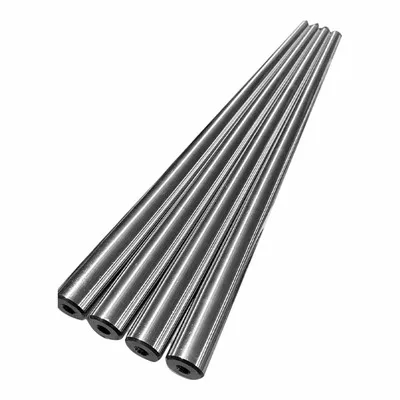
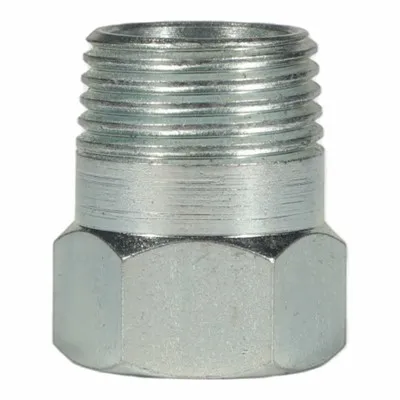
It's also interesting to compare the corrosion resistance of knurled studs with some related products. For example, Iron Bushing and Waterproof Connector Sleeve are often used in conjunction with knurled studs.
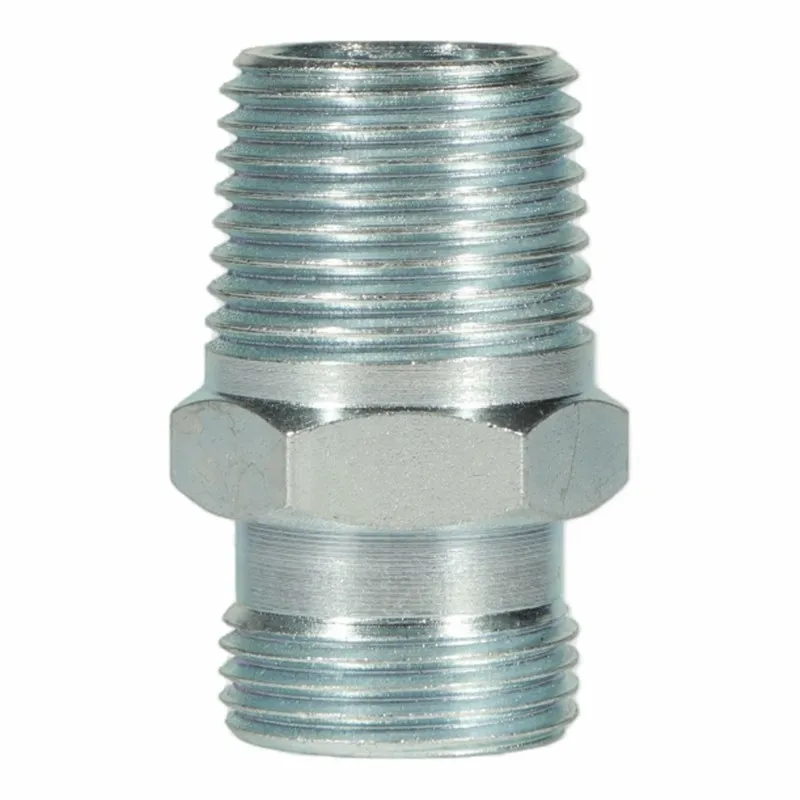
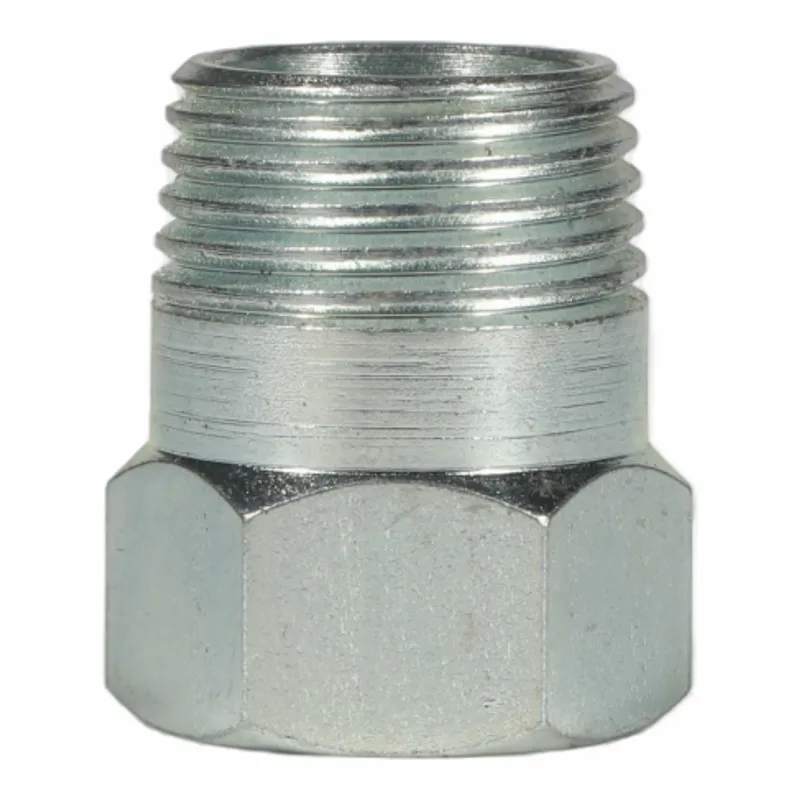
Iron bushings are typically made of iron or steel, and their corrosion resistance depends on the same factors as knurled studs. If they're made of carbon steel, they may require similar surface treatments to prevent rusting. Waterproof connector sleeves, on the other hand, are designed to protect electrical connections from moisture and water. They can help prevent corrosion of the knurled studs and other components in the system.
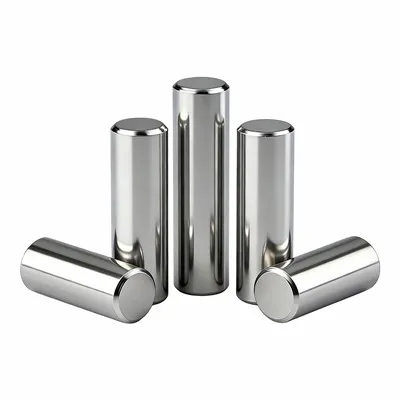
Another related product is Knurled Dowel Pins. These pins are similar to knurled studs in that they have a knurled section for a better grip. Their corrosion resistance also depends on the material and surface treatment.
Why Corrosion Resistance Matters
Corrosion can have a significant impact on the performance and lifespan of knurled studs. If a stud corrodes, it can lose its strength and integrity, which can lead to failure in the application. This can result in costly repairs or even safety hazards.
For example, in automotive applications, corroded knurled studs can cause parts to loosen or fall off, which can be dangerous for the driver and passengers. In industrial machinery, corrosion can lead to reduced efficiency and increased maintenance costs.
How to Choose the Right Knurled Studs for Corrosion Resistance
When choosing knurled studs, it's important to consider the following factors:
- Application: Think about where the studs will be used. If they'll be in a harsh environment, such as a marine or chemical setting, choose a material and surface treatment that can withstand those conditions.
- Budget: Different materials and surface treatments have different costs. Stainless steel studs are generally more expensive than carbon steel studs, but they offer better corrosion resistance. Consider your budget and the long-term cost of maintenance when making your decision.
- Compatibility: Make sure the studs are compatible with the other components in the system. For example, if you're using them with iron bushings or waterproof connector sleeves, they should have similar corrosion resistance properties.
Conclusion
In conclusion, the corrosion resistance of knurled studs depends on the material, surface treatment, and environmental factors. By choosing the right material and surface treatment, you can ensure that your knurled studs have the necessary corrosion resistance for your application.
If you're in the market for high-quality knurled studs with excellent corrosion resistance, don't hesitate to reach out. We're here to help you find the perfect solution for your needs. Whether you have questions about materials, surface treatments, or application-specific requirements, we're just a message away. Let's start a conversation and see how we can work together to meet your procurement needs.
References
- ASM Handbook, Volume 13A: Corrosion: Fundamentals, Testing, and Protection
- ASTM International Standards on Corrosion Testing and Evaluation
- Corrosion Engineering: Principles and Practice by Pierre R. Roberge