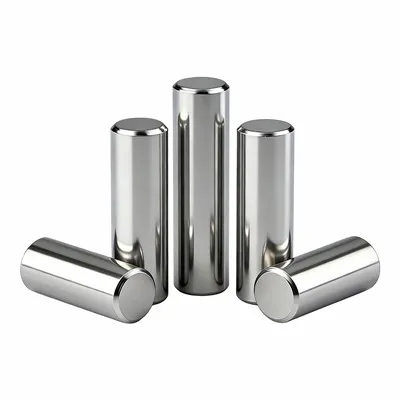
When it comes to the world of fasteners, double threaded nuts play a crucial role in various industries. As a supplier of double threaded nuts, I understand the importance of ensuring the quality of these products. In this blog post, I will share some key methods and considerations on how to check the quality of a double threaded nut.
Visual Inspection
The first step in checking the quality of a double threaded nut is a thorough visual inspection. This is a basic yet essential process that can reveal many potential issues.
Surface Finish
Inspect the surface of the nut for any signs of scratches, dents, or rust. A high - quality double threaded nut should have a smooth and even surface finish. Rough surfaces can not only affect the appearance but also lead to problems during installation and use. For example, scratches can act as stress concentration points, which may cause the nut to fail under load.
Thread Condition
Examine the threads carefully. The threads should be well - formed, with consistent pitch and depth. Look for any signs of damaged threads, such as chipping or flattening. Damaged threads can prevent the nut from properly engaging with the bolt, leading to a loose connection. If the threads are not cut accurately, it can also affect the torque required for tightening.
Dimensions
Measure the key dimensions of the double threaded nut, including the outer diameter, inner diameter, and height. These dimensions should conform to the specified standards. Any significant deviation from the standard dimensions can cause problems when the nut is used in a specific application. For instance, if the inner diameter is too large, the nut may not fit properly on the bolt, and if it is too small, it may be difficult to install.
Material Analysis
The material of the double threaded nut is a critical factor in determining its quality. Different materials have different properties, such as strength, corrosion resistance, and hardness.
Chemical Composition
Conduct a chemical analysis of the nut to ensure that it is made of the correct material. For example, if the nut is supposed to be made of stainless steel, the chemical composition should match the standard for stainless steel. Any impurities or incorrect alloying elements can affect the performance of the nut. For instance, a high carbon content in a steel nut can make it brittle, reducing its ability to withstand stress.
Hardness Testing
Hardness is an important property of a double threaded nut. A nut that is too soft may deform easily under load, while a nut that is too hard may be brittle and prone to cracking. Use a hardness testing machine to measure the hardness of the nut. The hardness should be within the specified range for the material and application. For example, nuts used in high - stress applications may require a higher hardness.
Thread Fit and Engagement
The fit and engagement of the threads are crucial for the proper functioning of the double threaded nut.
Thread Fit
Check the thread fit between the nut and a corresponding bolt. The nut should screw onto the bolt smoothly without excessive resistance or looseness. A proper thread fit ensures that the nut can be tightened to the required torque and maintain a secure connection. If the thread fit is too loose, the nut may vibrate loose over time, while a too - tight fit can make installation difficult and may damage the threads.
Thread Engagement
The length of thread engagement is also important. The nut should have sufficient thread engagement with the bolt to ensure a strong connection. A general rule of thumb is that the length of thread engagement should be at least equal to the diameter of the bolt. Insufficient thread engagement can lead to a weak connection and may cause the nut to come loose under load.
Mechanical Testing
Mechanical testing can provide more in - depth information about the quality of the double threaded nut.
Tensile Testing
Tensile testing involves applying a pulling force to the nut to determine its strength. This test can help identify if the nut can withstand the expected loads in its application. During the test, the nut is pulled until it fails, and the maximum load it can withstand is recorded. A high - quality double threaded nut should have a sufficient tensile strength to meet the requirements of the application.
Torque Testing
Torque testing is used to determine the amount of torque required to tighten the nut. This test ensures that the nut can be tightened to the correct torque value, which is essential for a secure connection. Over - tightening or under - tightening the nut can lead to problems such as thread damage or a loose connection.
Corrosion Resistance
In many applications, double threaded nuts are exposed to various environmental conditions, and corrosion resistance is an important quality factor.
Salt Spray Testing
Salt spray testing is a common method to evaluate the corrosion resistance of a nut. The nut is placed in a salt - spray chamber, and the time it takes for corrosion to appear is recorded. A high - quality nut should have good corrosion resistance and be able to withstand a certain period of exposure to salt spray without significant corrosion.
Coating Inspection
If the nut has a coating for corrosion protection, inspect the coating for any signs of damage or unevenness. A proper coating can significantly improve the corrosion resistance of the nut. For example, a zinc coating can provide a sacrificial layer that protects the base metal from corrosion.
Comparison with Standards
It is important to compare the double threaded nut with relevant industry standards. Standards such as ISO, ASTM, and DIN provide specifications for the dimensions, material, and performance of fasteners. By comparing the nut with these standards, you can ensure that it meets the required quality levels.

Conclusion
Checking the quality of a double threaded nut involves a comprehensive approach, including visual inspection, material analysis, thread fit and engagement testing, mechanical testing, and evaluation of corrosion resistance. As a supplier, I am committed to providing high - quality double threaded nuts that meet the strictest standards.
If you are in the market for double threaded nuts or other types of nuts such as Threaded Coupling Nut, Slotted Round Nut, or Extended Hex Nut, please feel free to contact us for more information and to discuss your specific requirements. We are ready to provide you with the best products and services.
References
- ASTM International. (Year). ASTM standards for fasteners.
- ISO. (Year). International standards for fasteners.
- DIN. (Year). German standards for fasteners.