Can metal joint connectors be used in wet conditions? That's a question I get asked a lot as a supplier of Metal Joint Connectors. I'm here to break it down for you and give you the lowdown on using these connectors in wet environments.
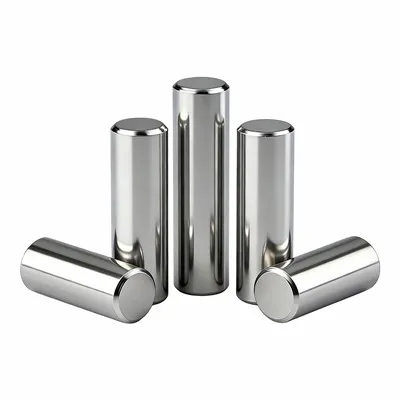
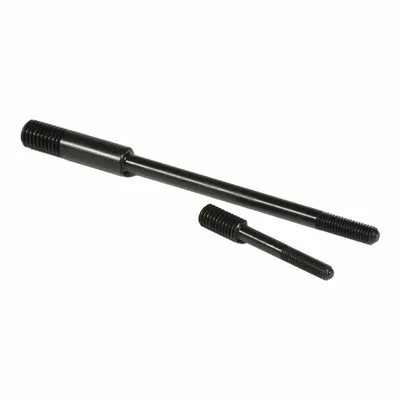
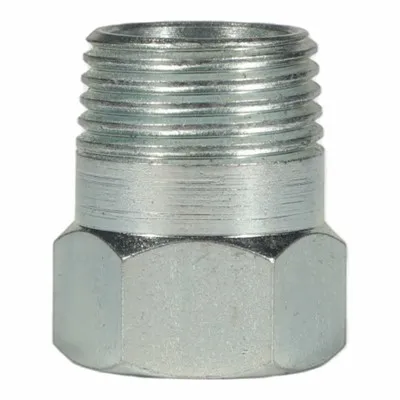
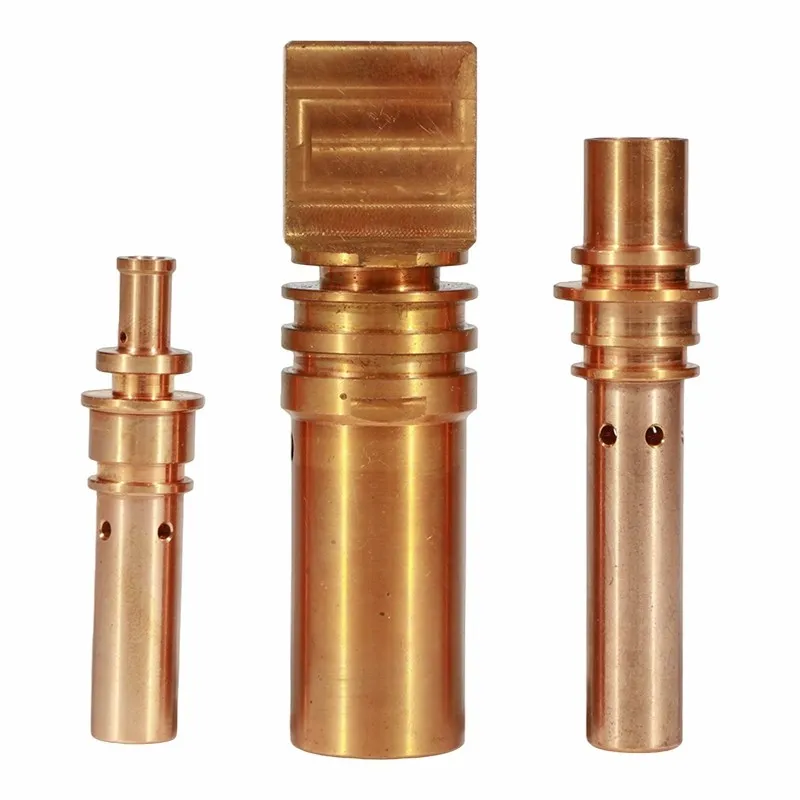
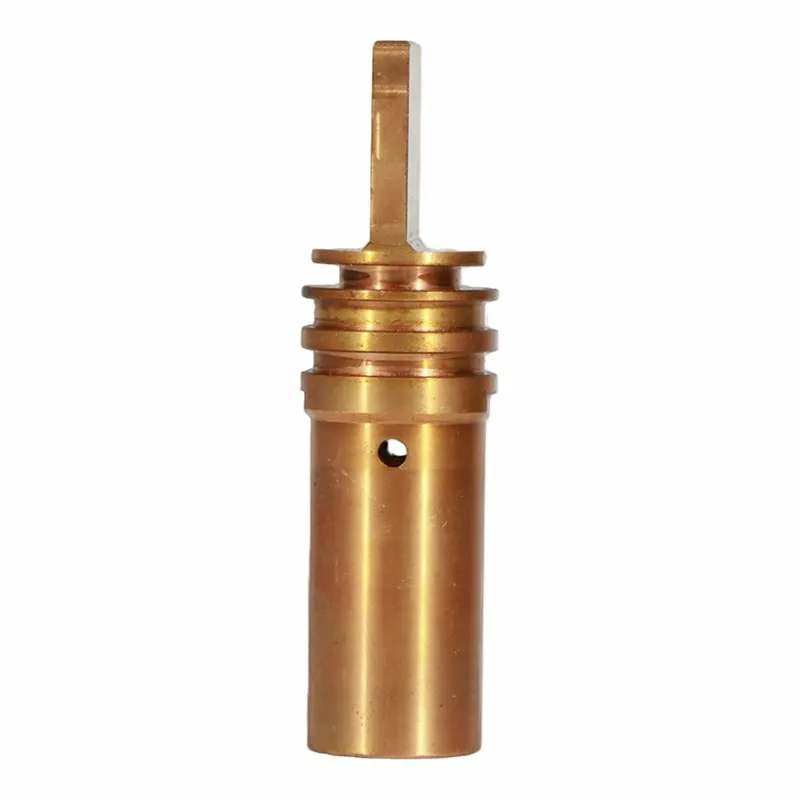
First off, let's talk about what metal joint connectors are. These are essential components in many industries, used to join different metal parts together. They come in all shapes and sizes, from small precision pieces to large, heavy - duty connectors. You can check out some of our Precision Machine Auto Components for a better idea of the variety we offer.
Now, the big question: can they be used in wet conditions? The answer is... it depends. Metal joint connectors are made from different types of metals, and each metal has its own properties when it comes to corrosion resistance.
Types of Metals and Their Suitability for Wet Conditions
Stainless Steel
Stainless steel is a popular choice for metal joint connectors in wet conditions. It contains chromium, which forms a thin, protective oxide layer on the surface. This layer helps prevent rust and corrosion. In fact, many of our connectors are made from high - quality stainless steel, which can withstand exposure to water and even some harsh chemicals. For example, in marine applications where the connectors are constantly exposed to saltwater, stainless steel connectors hold up well.
Galvanized Steel
Galvanized steel is another option. It's regular steel that has been coated with a layer of zinc. The zinc acts as a sacrificial anode, meaning it corrodes before the steel does. This provides a good level of protection in wet environments. However, over time, the zinc coating can wear off, especially in highly corrosive conditions.
Aluminum
Aluminum is lightweight and has good corrosion resistance due to the formation of a natural oxide layer. It's a great choice for applications where weight is a concern, like in the aerospace industry. But in some wet conditions, especially those with high levels of acidity or alkalinity, aluminum can corrode.
Factors Affecting the Use of Metal Joint Connectors in Wet Conditions
Water Quality
The quality of the water matters a lot. Freshwater is generally less corrosive than saltwater. Saltwater contains chloride ions, which can break down the protective oxide layers on metals more quickly. If the water is polluted with chemicals or has a high pH level, it can also increase the risk of corrosion.
Temperature
Temperature plays a role too. Higher temperatures can speed up the corrosion process. For example, in a hot and humid environment, the metal is more likely to corrode compared to a cold and dry one.
Exposure Time
The longer the metal joint connectors are exposed to wet conditions, the greater the chance of corrosion. If the connectors are only briefly exposed to water, the risk is relatively low. But if they are constantly submerged or in a damp environment for long periods, they need to be made from highly corrosion - resistant materials.
Protecting Metal Joint Connectors in Wet Conditions
Coatings
Applying a protective coating can significantly increase the lifespan of metal joint connectors in wet conditions. There are various types of coatings available, such as epoxy coatings, powder coatings, and paint. These coatings act as a barrier between the metal and the water, preventing direct contact and reducing the risk of corrosion.
Sealing
Sealing the connectors can also help. This can be done using gaskets or O - rings. Sealing prevents water from getting inside the connector and causing corrosion from the inside out.
Real - World Applications
In the automotive industry, metal joint connectors are used in various wet - prone areas, like the engine compartment where they may be exposed to water splashes. Our Mechanical Connecting Rod products are designed to withstand these conditions. In the construction industry, connectors are used in outdoor structures where they are exposed to rain and humidity.
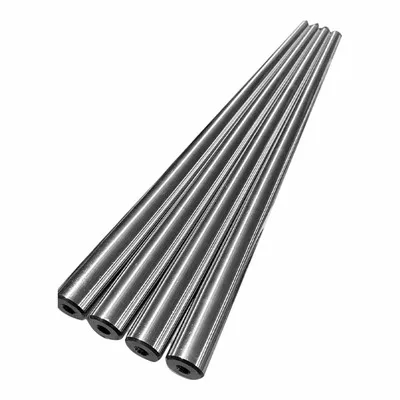
In the power generation industry, especially in hydroelectric plants, metal joint connectors are constantly in contact with water. Our Iron Core Machining connectors are engineered to handle these harsh wet conditions.
Conclusion
So, can metal joint connectors be used in wet conditions? Absolutely, but you need to choose the right type of metal and take appropriate protective measures. As a supplier, we have a wide range of metal joint connectors that are suitable for different wet - related applications. Whether you're in the automotive, construction, or power generation industry, we've got you covered.
If you're interested in purchasing metal joint connectors for your wet - environment projects, I encourage you to reach out for a detailed discussion. We can help you select the best connectors based on your specific needs and ensure they perform well in your wet - condition applications.
References
- "Corrosion of Metals in Wet Environments" - A comprehensive study on metal corrosion in wet conditions.
- "Engineering Materials for Wet Applications" - A guide on choosing the right materials for wet - prone applications.