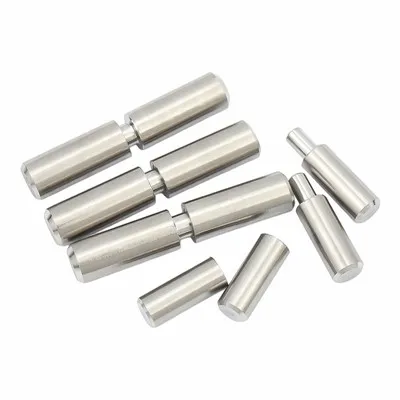
How long do metal joint connectors last? This is a question that often comes up in the minds of engineers, contractors, and anyone involved in projects that rely on these essential components. As a supplier of metal joint connectors, I've had the privilege of working with a wide range of clients and understanding their needs. In this blog post, I'll delve into the factors that influence the lifespan of metal joint connectors and provide some insights based on my experience in the industry.
Factors Affecting the Lifespan of Metal Joint Connectors
Material Quality
The quality of the material used in metal joint connectors is perhaps the most significant factor determining their lifespan. High - grade metals such as stainless steel, aluminum, and brass offer better resistance to corrosion, wear, and fatigue compared to lower - quality alternatives. For example, stainless steel connectors are known for their excellent corrosion resistance, making them suitable for outdoor and high - humidity environments. On the other hand, connectors made from low - grade steel may rust quickly, reducing their strength and lifespan.
Environmental Conditions
The environment in which metal joint connectors are used plays a crucial role in their longevity. Connectors exposed to harsh conditions such as extreme temperatures, high humidity, chemical exposure, or abrasive particles will generally have a shorter lifespan. For instance, in a marine environment, connectors are constantly exposed to saltwater, which can accelerate corrosion. In industrial settings, connectors may be exposed to chemicals or abrasive dust, which can cause wear and tear.
Installation and Maintenance
Proper installation and regular maintenance are essential for ensuring the long - term performance of metal joint connectors. Incorrect installation, such as over - tightening or under - tightening, can lead to stress concentrations, which may cause the connectors to fail prematurely. Regular maintenance, including cleaning, lubrication, and inspection, can help identify and address potential issues before they become major problems.
Load and Stress
The amount of load and stress that metal joint connectors are subjected to also affects their lifespan. Connectors that are designed to handle high loads and stresses will generally last longer than those that are not. For example, in structural applications, connectors need to be able to withstand the weight of the structure and any additional loads, such as wind or seismic forces.
Lifespan Estimates for Different Types of Metal Joint Connectors
Mechanical Connecting Rod
Mechanical connecting rods are used in a variety of applications, from automotive engines to industrial machinery. The lifespan of a Mechanical Connecting Rod can vary depending on the factors mentioned above. In general, high - quality connecting rods made from forged steel can last for hundreds of thousands of cycles in normal operating conditions. However, if they are subjected to extreme loads or poor maintenance, their lifespan may be significantly reduced.
Male and Female Thread Adapter
Male and female thread adapters are commonly used to connect pipes, hoses, and other components. The lifespan of a Male and Female Thread Adapter depends on the material, the quality of the threading, and the frequency of use. Brass adapters are often used in plumbing applications and can last for many years if properly installed and maintained. However, in high - pressure or high - temperature applications, they may need to be replaced more frequently.
Iron Core Machining
Iron core machining is used to create precision components for electrical and mechanical applications. The lifespan of iron core components depends on the quality of the machining, the material used, and the operating conditions. High - quality iron core components that are properly heat - treated and machined can last for a long time, even in demanding applications. Iron Core Machining techniques ensure that the components have the necessary strength and durability.
Shaft Sleeve Bushing
Shaft sleeve bushings are used to reduce friction and wear between rotating shafts and their housings. The lifespan of a Shaft Sleeve Bushing depends on the material, the lubrication, and the load. Bronze bushings are commonly used due to their excellent wear resistance and self - lubricating properties. In normal operating conditions, they can last for several years. However, if the lubrication is insufficient or the load is too high, the bushings may wear out quickly.
CNC Adapter Machining
CNC adapter machining is used to create custom - made connectors with high precision. The lifespan of CNC - machined adapters depends on the material, the design, and the quality of the machining. High - quality CNC - machined adapters made from durable materials can last for a long time, even in complex and demanding applications. CNC Adapter Machining allows for the creation of connectors that are tailored to specific requirements, ensuring optimal performance and longevity.
Extending the Lifespan of Metal Joint Connectors
Selecting the Right Material
Choosing the right material for your metal joint connectors is crucial for ensuring their long - term performance. Consider the environmental conditions, the load requirements, and the expected lifespan when selecting a material. For example, if you are working in a corrosive environment, stainless steel or aluminum may be the best choice.
Proper Installation
Follow the manufacturer's installation instructions carefully to ensure that the connectors are installed correctly. Use the appropriate tools and techniques to avoid over - tightening or under - tightening. If you are unsure about the installation process, consult a professional.


Regular Maintenance
Establish a regular maintenance schedule for your metal joint connectors. This may include cleaning, lubrication, and inspection. Regular maintenance can help identify and address potential issues before they become major problems, extending the lifespan of the connectors.
Monitoring and Inspection
Regularly monitor the performance of your metal joint connectors. Look for signs of wear, corrosion, or damage. If you notice any issues, take action immediately to prevent further damage.
Conclusion
The lifespan of metal joint connectors can vary widely depending on a number of factors, including material quality, environmental conditions, installation, maintenance, and load. By understanding these factors and taking appropriate measures, you can extend the lifespan of your metal joint connectors and ensure their long - term performance.
If you are in the market for high - quality metal joint connectors, I invite you to contact us for a consultation. Our team of experts can help you select the right connectors for your specific needs and provide you with the support and guidance you need to ensure their proper installation and maintenance.
References
- ASM Handbook, Volume 11: Failure Analysis and Prevention, ASM International
- Machinery's Handbook, Industrial Press
- Corrosion Resistance of Metals and Alloys, NACE International