Installing a flywheel on a shaft is a task that requires precision, knowledge, and the right tools. As a shaft supplier, I've witnessed firsthand the importance of a proper flywheel installation for various industrial applications. In this blog, I'll guide you through the step-by-step process of installing a flywheel on a shaft, offering insights and tips along the way.
Understanding the Basics
Before we dive into the installation process, it's crucial to understand the role of a flywheel and its significance in mechanical systems. A flywheel is a rotating mechanical device that stores rotational energy. It helps to smooth out fluctuations in the speed of a machine, providing a more consistent and stable operation. Flywheels are commonly used in engines, generators, and other machinery to improve efficiency and performance.
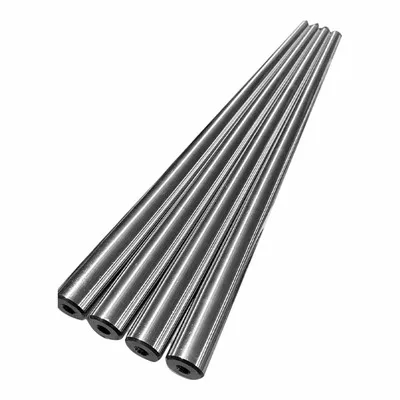
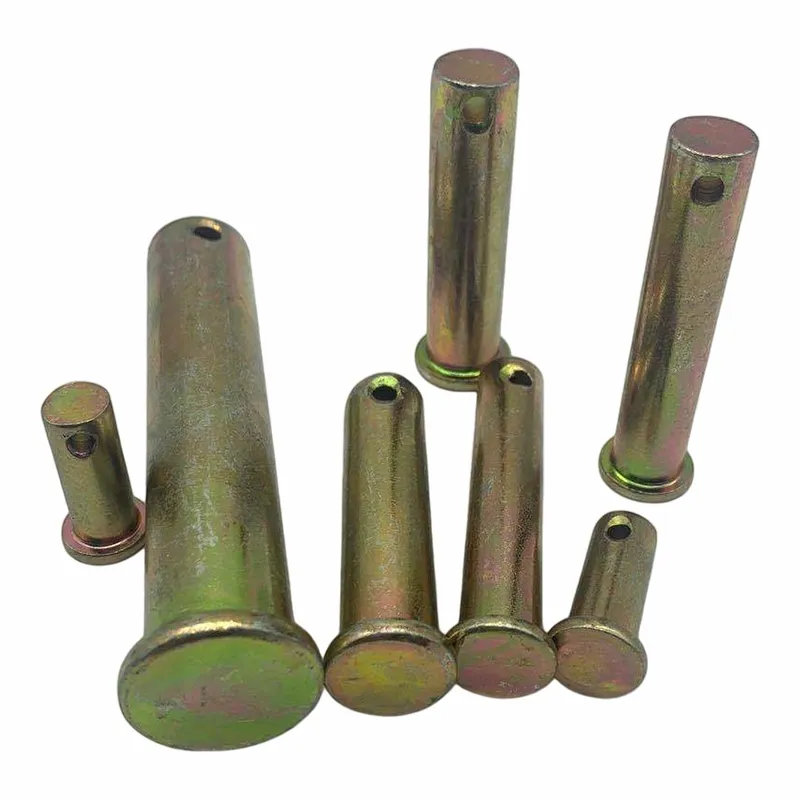
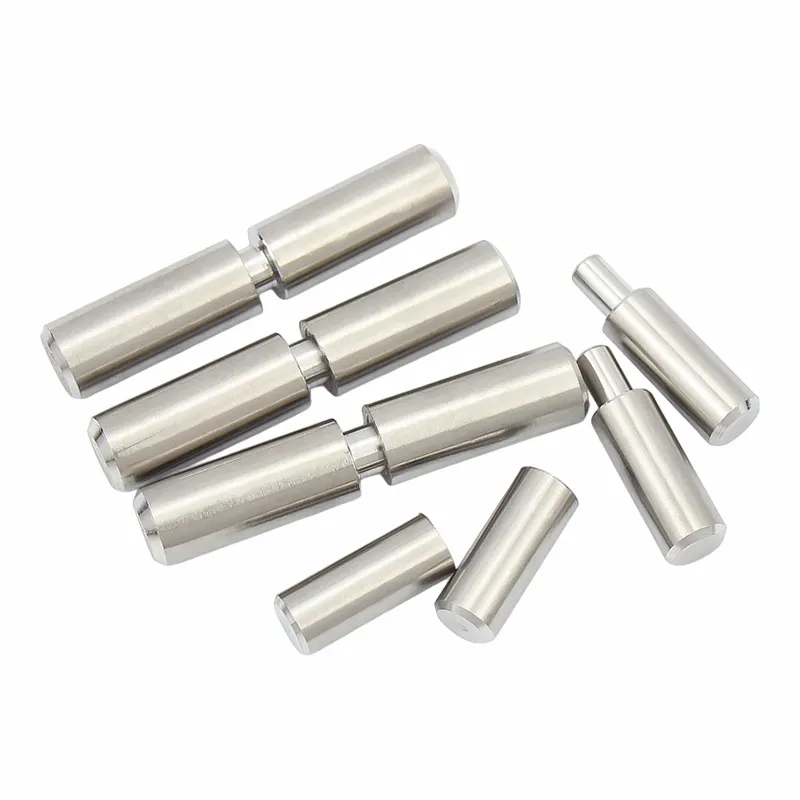
When it comes to shafts, there are different types available, each designed for specific applications. For instance, Welded Shaft is known for its strength and durability, making it suitable for heavy-duty applications. Industrial Drive Shaft is designed to transmit power between different components in an industrial setting. And Smooth Shaft is often used in applications where low friction is required.
Tools and Materials Needed
To install a flywheel on a shaft, you'll need the following tools and materials:
- Flywheel: Make sure the flywheel is the correct size and type for your application.
- Shaft: Ensure the shaft is compatible with the flywheel and has the appropriate dimensions.
- Key: A key is used to secure the flywheel to the shaft and prevent it from slipping.
- Wrench: You'll need a wrench to tighten the bolts or nuts that hold the flywheel in place.
- Torque wrench: A torque wrench is essential for tightening the bolts to the correct torque specification.
- Cleaning supplies: Use a degreaser and a clean cloth to clean the shaft and the flywheel before installation.
Step-by-Step Installation Process
Step 1: Prepare the Shaft and Flywheel
- Clean the shaft: Use a degreaser to remove any dirt, oil, or debris from the shaft. Make sure the shaft is completely dry before proceeding.
- Clean the flywheel: Similarly, clean the flywheel to remove any contaminants. Check for any damage or defects on the flywheel surface.
- Inspect the keyway: The keyway is a slot on the shaft and the flywheel where the key will be inserted. Make sure the keyway is clean and free of any burrs or damage.
Step 2: Insert the Key
- Select the appropriate key: The key should fit snugly into the keyway on both the shaft and the flywheel.
- Insert the key: Carefully insert the key into the keyway on the shaft. Make sure the key is fully seated and aligned with the keyway on the flywheel.
Step 3: Position the Flywheel on the Shaft
- Align the flywheel: Place the flywheel on the shaft, aligning the keyway on the flywheel with the key on the shaft. Make sure the flywheel is centered on the shaft.
- Slide the flywheel onto the shaft: Gently slide the flywheel onto the shaft until it is fully seated. You may need to use a mallet or a press to help seat the flywheel if it is a tight fit.
Step 4: Secure the Flywheel
- Install the bolts or nuts: Once the flywheel is in place, install the bolts or nuts that will hold the flywheel to the shaft. Make sure to use the correct size and type of bolts or nuts.
- Tighten the bolts or nuts: Use a torque wrench to tighten the bolts or nuts to the specified torque. Over-tightening can damage the flywheel or the shaft, while under-tightening can cause the flywheel to loosen during operation.
Step 5: Check the Installation
- Check the alignment: Use a dial indicator to check the alignment of the flywheel on the shaft. The flywheel should be centered and parallel to the shaft within the specified tolerance.
- Check the clearance: Make sure there is sufficient clearance between the flywheel and any other components in the system. This will prevent interference and ensure smooth operation.
Tips and Precautions
- Follow the manufacturer's instructions: Always refer to the manufacturer's instructions for the specific flywheel and shaft you are using. This will ensure that you are following the correct installation procedure.
- Use the right tools: Using the correct tools is essential for a proper installation. Make sure you have the right size wrenches, torque wrench, and other tools needed for the job.
- Wear safety gear: When working with heavy machinery, it's important to wear appropriate safety gear, such as gloves, safety glasses, and a hard hat.
- Take your time: Installing a flywheel on a shaft is a precise task that requires patience and attention to detail. Don't rush the process and make sure you do it right the first time.
Conclusion
Installing a flywheel on a shaft is a critical task that can have a significant impact on the performance and reliability of your machinery. By following the steps outlined in this blog and taking the necessary precautions, you can ensure a successful installation. As a shaft supplier, I'm here to provide you with high-quality shafts and support for your installation needs. If you have any questions or need help with your flywheel installation, don't hesitate to [contact us for a purchase consultation and discussion].
References
- Machinery's Handbook, 31st Edition
- Shaft Design and Analysis, Second Edition
- Flywheel Design and Applications, Third Edition