Installing a pulley on a smooth shaft is a common task in various mechanical and industrial applications. As a reliable Smooth Shaft supplier, I understand the importance of a proper installation process to ensure the smooth operation and longevity of the system. In this blog, I will guide you through the step - by - step process of installing a pulley on a smooth shaft.
Understanding the Basics
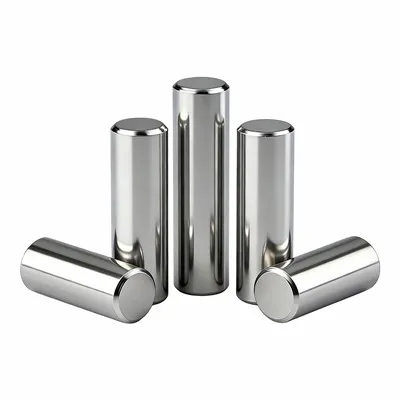
Before we start the installation process, it's essential to understand the components involved. A smooth shaft is a cylindrical rod with a smooth surface, which provides a stable base for the pulley to rotate. The pulley, on the other hand, is a wheel with a grooved rim around which a belt or chain can run to transmit power.
Tools and Materials Required
To install a pulley on a smooth shaft, you will need the following tools and materials:
- Pulley: Make sure the pulley is the correct size and type for your application.
- Smooth Shaft: Ensure that the shaft is of the appropriate diameter and length.
- Key and Keyway: If your pulley has a keyway, you will need a key to secure the pulley to the shaft.
- Hammer: A soft - faced hammer can be used to gently tap the pulley onto the shaft.
- Measuring Tools: A caliper or micrometer to measure the shaft and pulley dimensions accurately.
- Lubricant: A light - duty lubricant can help in the installation process.
Step 1: Prepare the Shaft and Pulley
First, clean the smooth shaft and the pulley bore thoroughly. Remove any dirt, debris, or rust from the surfaces. Use a clean cloth and a mild solvent if necessary. This step is crucial as it ensures a proper fit between the shaft and the pulley.
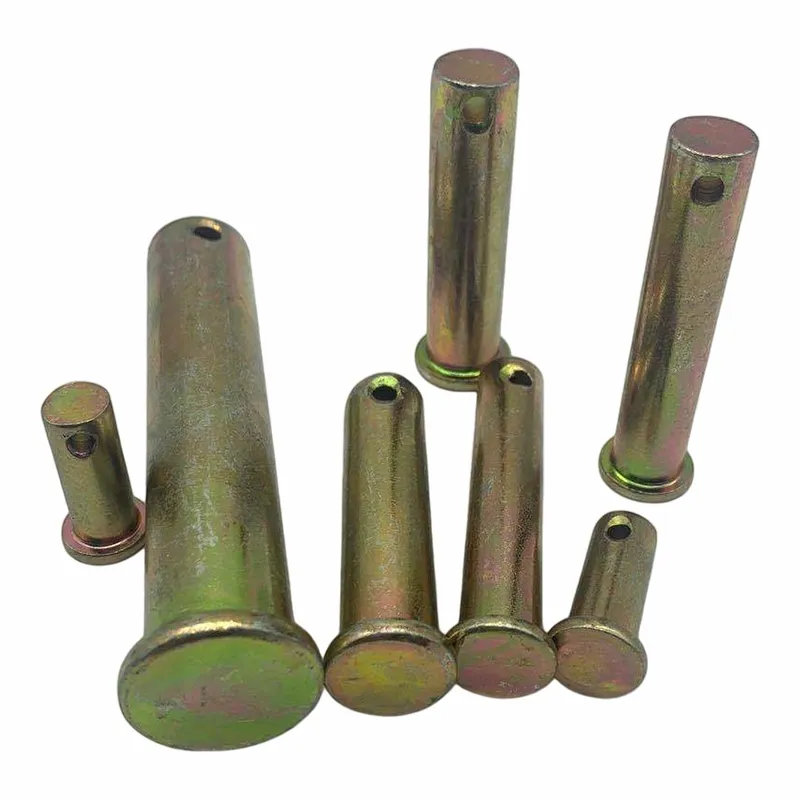
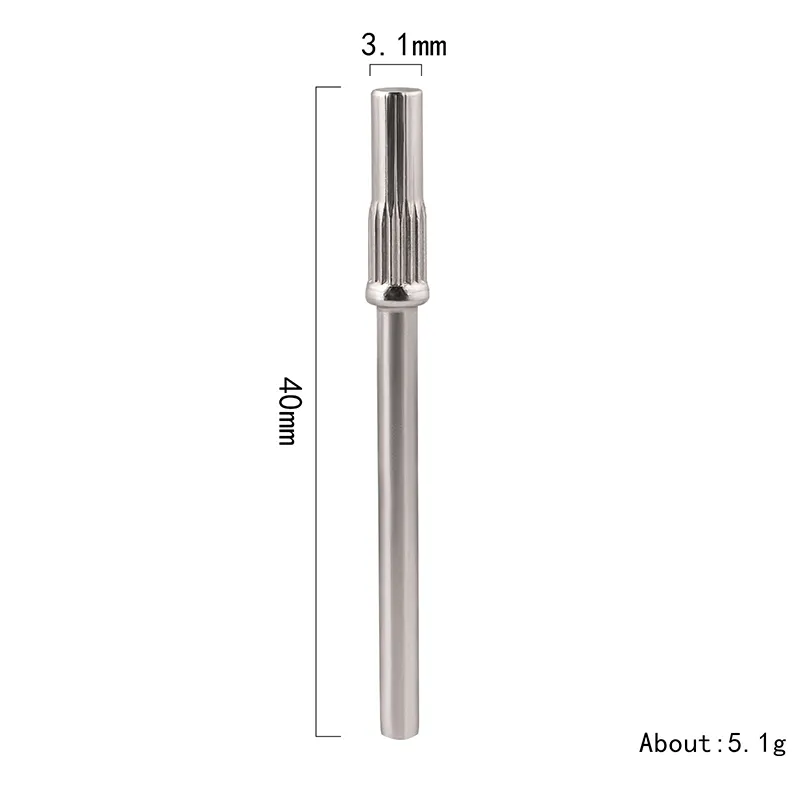
Measure the diameter of the shaft and the inner diameter of the pulley bore. They should match closely. If there is a significant difference, it may cause problems during installation or lead to premature wear.
Step 2: Apply Lubricant
Apply a thin layer of lubricant to the shaft and the inner surface of the pulley bore. The lubricant reduces friction and makes it easier to slide the pulley onto the shaft. Make sure to use a lubricant that is suitable for the materials of the shaft and the pulley.
Step 3: Align the Pulley
Carefully align the pulley with the shaft. If the pulley has a keyway, align it with the keyway on the shaft. Insert the key into the keyway on the shaft first, and then align the keyway on the pulley with the key.
Step 4: Install the Pulley
Gently slide the pulley onto the shaft. If the pulley is a tight fit, you can use a soft - faced hammer to tap it into place. Start by tapping the pulley evenly around the circumference to ensure it goes on straight. Do not use excessive force as it may damage the shaft or the pulley.
Step 5: Secure the Pulley
Once the pulley is in the desired position on the shaft, secure it. If you are using a key, make sure it is fully seated in the keyway. You can also use set screws or other fasteners depending on the design of the pulley and the application requirements.
Step 6: Check the Alignment
After the pulley is installed, check the alignment of the pulley with the other components in the system. Misalignment can cause excessive wear on the belt or chain, as well as vibration and noise. Use a straightedge or laser alignment tool to ensure that the pulley is properly aligned.
Step 7: Final Checks
Finally, perform a final check to ensure that the pulley rotates freely on the shaft. There should be no binding or excessive play. If you notice any issues, make the necessary adjustments.
Troubleshooting
- Tight Fit: If the pulley is too tight to install, check the dimensions again. You may need to slightly enlarge the pulley bore or reduce the shaft diameter. However, this should be done carefully to avoid compromising the integrity of the components.
- Loose Fit: If the pulley is too loose on the shaft, it may cause the pulley to slip. You can try using a larger key or adding a shim to take up the slack.
Related Shaft Products
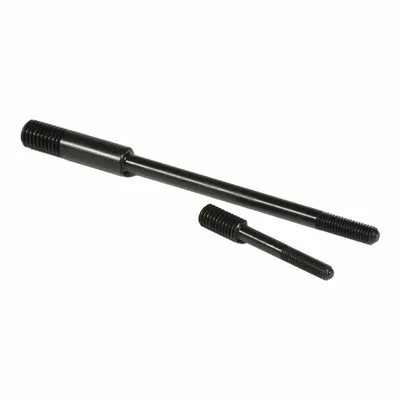
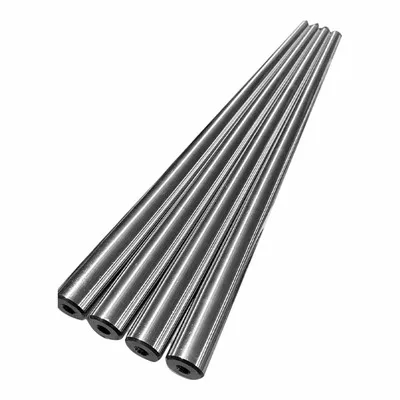
As a Smooth Shaft supplier, we also offer a range of related products. For example, we have Welded Shaft which is suitable for applications where a strong and reliable connection is required. Our Industrial Drive Shaft is designed to handle high - torque applications in industrial settings. And our Spindle Core is perfect for precision machinery.
Contact for Purchase and Consultation
If you are interested in purchasing smooth shafts or other related products, or if you have any questions about the installation process, please feel free to contact us. We have a team of experts who can provide you with professional advice and support. Whether you are a small - scale workshop or a large - scale industrial enterprise, we can meet your needs.
References
- Machinery's Handbook, 31st Edition.
- Mechanical Engineering Design, 11th Edition by J.E. Shigley et al.