As a supplier of Double Threaded Nuts, I often get asked about the chemical resistance properties of these nuts. Chemical resistance is a crucial factor, especially in industries where nuts are exposed to various chemicals. In this blog, I'll dive into what makes double threaded nuts chemically resistant and why it matters.
What are Double Threaded Nuts?
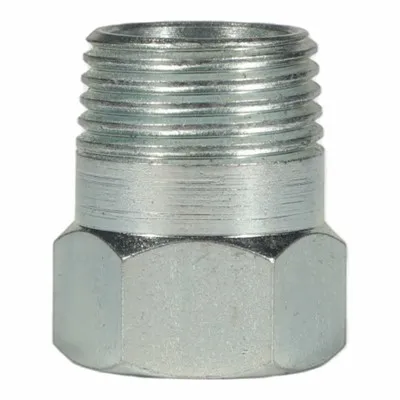
Before we talk about chemical resistance, let's quickly go over what double threaded nuts are. Double threaded nuts, as the name suggests, have threads on both ends. They're used in a variety of applications, from machinery to construction. You can learn more about them here.
Factors Affecting Chemical Resistance
Material Composition
The material of a double threaded nut plays a huge role in its chemical resistance. Common materials include stainless steel, brass, and carbon steel.
- Stainless Steel: Stainless steel is a popular choice for double threaded nuts because of its excellent chemical resistance. It contains chromium, which forms a passive oxide layer on the surface. This layer protects the nut from corrosion caused by many chemicals, including acids, alkalis, and salts. For example, in a marine environment where nuts are exposed to saltwater, stainless steel double threaded nuts can withstand the corrosive effects of salt for a long time. You can check out Stainless Steel Insert Nuts for more information on stainless steel nuts.
- Brass: Brass is another material used for double threaded nuts. It has good resistance to certain chemicals, such as non - oxidizing acids. However, it's not as resistant as stainless steel to strong acids and alkalis. Brass nuts are often used in applications where the chemical exposure is relatively mild, like in some plumbing systems.
- Carbon Steel: Carbon steel nuts are less chemically resistant compared to stainless steel and brass. They're prone to rusting when exposed to moisture and certain chemicals. However, they can be coated with substances like zinc or epoxy to improve their chemical resistance.
Surface Treatment
Surface treatments can significantly enhance the chemical resistance of double threaded nuts.
- Galvanizing: Galvanizing involves coating the nut with a layer of zinc. Zinc acts as a sacrificial anode, protecting the underlying steel from corrosion. Galvanized double threaded nuts are commonly used in outdoor applications where they're exposed to rain, humidity, and some chemicals.
- Passivation: Passivation is a process used mainly for stainless steel nuts. It removes free iron from the surface of the nut and enhances the formation of the passive oxide layer. This makes the nut more resistant to corrosion and chemical attack.
Chemical Resistance in Different Environments
Acidic Environments
In acidic environments, the choice of material is critical. Stainless steel double threaded nuts with a high chromium and nickel content are the best option. For example, in a chemical plant where nuts are exposed to sulfuric acid, stainless steel nuts can resist the acid's corrosive effects. However, brass nuts may corrode quickly in strong acidic solutions.
Alkaline Environments
Alkaline environments also require careful consideration. Stainless steel nuts are generally resistant to alkalis, but some types of stainless steel may be more suitable than others. For instance, austenitic stainless steel has good resistance to most alkaline solutions. Carbon steel nuts may corrode in alkaline environments, especially if they're not properly coated.
Saltwater Environments
Saltwater is extremely corrosive. Stainless steel double threaded nuts are the go - to choice for saltwater applications. The passive oxide layer on stainless steel protects it from the chloride ions in saltwater. Galvanized carbon steel nuts can also be used, but they may need to be replaced more frequently compared to stainless steel nuts.
Importance of Chemical Resistance
The chemical resistance of double threaded nuts is vital for several reasons.
- Longevity: Chemically resistant nuts last longer. In industries where replacement is difficult or costly, such as in offshore oil rigs or high - rise buildings, using nuts with good chemical resistance can save a lot of money in the long run.
- Safety: Nuts that corrode due to chemical exposure can weaken the connection they're part of. This can lead to structural failures, which pose a safety risk. For example, in a bridge, corroded nuts can compromise the integrity of the structure.
- Performance: In machinery, chemically resistant nuts ensure that the equipment functions properly. Corroded nuts can cause parts to loosen, leading to vibrations and reduced performance.
Other Types of Nuts and Their Chemical Resistance
If you're looking for other types of nuts, we also offer Knurled Thumb Nuts. Knurled thumb nuts are often used in applications where easy manual tightening is required. Their chemical resistance properties are similar to those of double threaded nuts, depending on the material they're made of.
Conclusion
In conclusion, the chemical resistance of double threaded nuts depends on the material composition and surface treatment. Stainless steel is generally the most chemically resistant material, followed by brass and then carbon steel. Surface treatments like galvanizing and passivation can further enhance the chemical resistance. Understanding the chemical resistance properties of double threaded nuts is essential for choosing the right nuts for your application.
If you're in the market for double threaded nuts or other types of nuts, and you want to discuss your specific requirements, feel free to reach out. We're here to help you find the best nuts for your needs.


References
- ASM Handbook, Volume 13A: Corrosion: Fundamentals, Testing, and Protection
- Metals Handbook Desk Edition, Third Edition