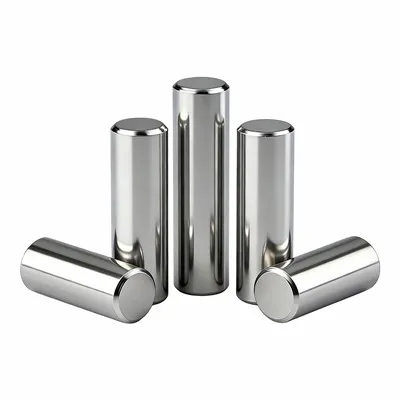
As a smooth shaft supplier, I often get asked about the maximum length of a smooth shaft. It's a question that doesn't have a one - size - fits - all answer, and in this blog, I'll break down the factors that determine this length and share some insights.
Understanding Smooth Shafts
Before we dive into the maximum length, let's quickly go over what smooth shafts are. Smooth shafts are cylindrical components used in a variety of applications, from simple machinery to complex industrial systems. They provide a smooth surface for other parts, like bearings or pulleys, to move along.
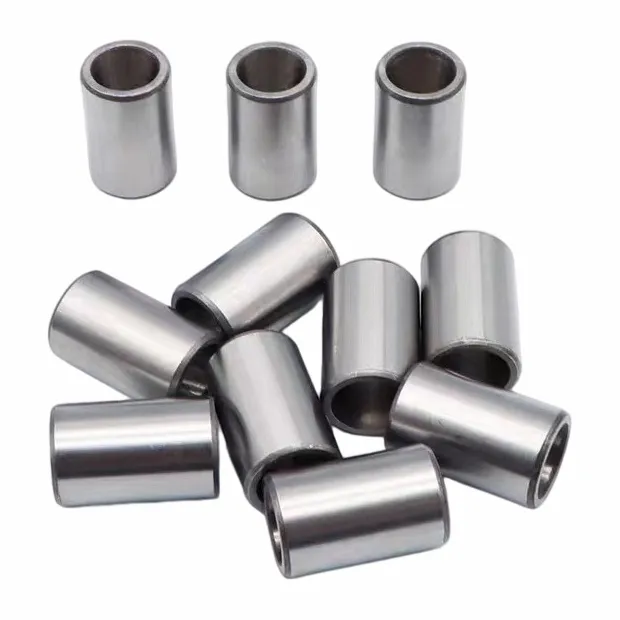
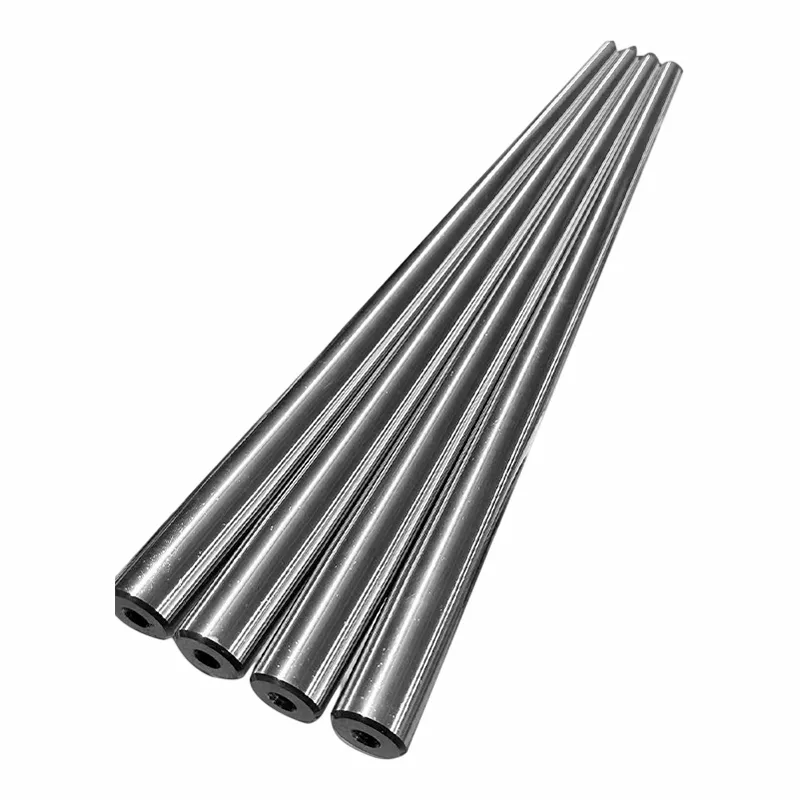
We offer different types of smooth shafts, each with its own unique features and uses. For instance, our Spindle Core is designed for high - precision applications, while the Shaft Saver Sleeve helps protect the shaft from wear and tear. And our Industrial Drive Shaft is built to handle heavy loads in industrial settings.
Factors Affecting the Maximum Length
Material Properties
The material of the smooth shaft plays a huge role in determining its maximum length. Different materials have different strengths, stiffness, and densities. For example, steel is a popular choice for smooth shafts because it's strong and has good stiffness. But as the length of a steel shaft increases, it becomes more prone to bending under its own weight.
Aluminum, on the other hand, is lighter than steel. While this can be an advantage in some applications, it also has lower stiffness. So, an aluminum shaft might not be able to support as long a length as a steel shaft without significant deflection.
Manufacturing Processes
How the shaft is made also impacts its maximum length. Precision machining processes, like turning on a lathe, are commonly used to make smooth shafts. However, as the length of the shaft increases, it becomes more difficult to maintain the required level of precision.
Longer shafts are more likely to have issues like taper or out - of - roundness during the machining process. Specialized manufacturing techniques, such as continuous casting or extrusion, can be used for longer shafts, but these methods also have their limitations.
Application Requirements
The intended use of the smooth shaft is a major factor. In some applications, like a small conveyor system, a relatively short shaft might be sufficient. But in large industrial machinery, such as a long - distance power transmission system, a much longer shaft could be needed.
The load that the shaft will carry is also important. If the shaft has to support heavy weights or high - torque forces, it will need to be shorter to avoid excessive bending or failure. On the other hand, if the load is light, a longer shaft might be feasible.
Real - World Examples
Let's look at some real - world scenarios to better understand how these factors interact. In a manufacturing plant, a smooth shaft is used to drive a series of rollers in a conveyor belt system. The shaft needs to be long enough to span the width of the conveyor, but not so long that it sags under the weight of the rollers and the materials being transported.
In this case, the material chosen is a high - strength steel. The manufacturing process involves precision machining to ensure a smooth surface for the rollers to move on. The maximum length of the shaft is determined by the load capacity of the steel and the ability of the machining process to maintain the required precision.
Another example is in the automotive industry. A smooth shaft might be used in a steering system. Here, the shaft needs to be short and stiff to provide quick and accurate steering response. The material used is often a lightweight but strong alloy, and the manufacturing process is highly precise to meet the strict safety and performance requirements.
Technical Limitations
There are some technical limitations that we need to consider when talking about the maximum length of a smooth shaft. One of the main limitations is the issue of resonance. As the length of the shaft increases, it becomes more likely to vibrate at certain frequencies. These vibrations can cause excessive wear, noise, and even failure of the shaft or other components in the system.
To avoid resonance, engineers need to carefully design the shaft and the system it's part of. This might involve adding dampers or changing the material properties of the shaft.
Another limitation is the handling and transportation of long shafts. Longer shafts are more difficult to handle and transport without damage. They require special equipment and care to ensure that they arrive at the destination in good condition.
Our Experience as a Supplier
Over the years, we've worked with a wide range of customers to provide smooth shafts for various applications. We've seen firsthand how different factors can affect the maximum length of a shaft.
We often start by having a detailed discussion with our customers about their specific requirements. We ask about the application, the load, the operating environment, and any other relevant factors. Based on this information, we can recommend the best material and manufacturing process for their needs.
We also have a team of experienced engineers who can help with the design and optimization of the shaft. They use advanced software and simulation tools to analyze the performance of the shaft under different conditions and ensure that it meets the required specifications.
Conclusion
So, what is the maximum length of a smooth shaft? Well, it depends on a variety of factors, including the material, the manufacturing process, and the application requirements. There's no fixed number that applies to all situations.
If you're in the market for smooth shafts and have questions about the maximum length or any other aspect of our products, don't hesitate to reach out. We're here to help you find the right solution for your specific needs. Whether you need a short, high - precision shaft or a long, heavy - duty one, we have the expertise and resources to deliver.
References
- Mechanical Engineering Design, 9th Edition, by Joseph E. Shigley, Charles R. Mischke, and Richard G. Budynas
- Manufacturing Engineering and Technology, 6th Edition, by Serope Kalpakjian and Steven R. Schmid