As a supplier of Shaft Saver Sleeves, one of the most frequently asked questions we receive is about the maximum temperature these sleeves can withstand. Understanding this critical parameter is essential for ensuring the proper functioning and longevity of the equipment in which the Shaft Saver Sleeves are installed. In this blog, we will delve into the factors that influence the temperature tolerance of Shaft Saver Sleeves and provide insights into the maximum temperature they can handle.
Factors Affecting Temperature Tolerance
Material Composition
The material used in the manufacturing of Shaft Saver Sleeves plays a crucial role in determining their temperature tolerance. Most Shaft Saver Sleeves are made from high - strength polymers, metals, or composites. Each material has its own unique thermal properties.
Polymers, for example, are known for their lightweight and corrosion - resistant properties. However, they generally have a lower melting point compared to metals. Common polymers used in Shaft Saver Sleeves include nylon and polyethylene. Nylon can typically withstand temperatures up to around 180 - 200°F (82 - 93°C) before it starts to deform. Polyethylene has a lower temperature limit, usually around 150°F (66°C).
Metals, such as stainless steel and aluminum, offer higher temperature resistance. Stainless steel can handle temperatures well above 500°F (260°C) depending on the specific grade. Aluminum can withstand temperatures up to around 400 - 500°F (204 - 260°C). Composites, which combine the best properties of different materials, can also provide good temperature resistance, often falling between the ranges of polymers and metals.
Design and Thickness
The design and thickness of the Shaft Saver Sleeve also impact its temperature tolerance. A thicker sleeve can generally dissipate heat more effectively, allowing it to withstand higher temperatures. Additionally, the internal structure of the sleeve, such as the presence of cooling channels or fins, can enhance heat transfer and improve temperature management.
For example, a Shaft Saver Sleeve with a well - designed cooling channel system can transfer heat away from the shaft more efficiently, reducing the risk of overheating. This is particularly important in applications where the shaft is subjected to high - speed rotation or heavy loads, which can generate significant amounts of heat.
Application Environment
The environment in which the Shaft Saver Sleeve is used is another important factor. In industrial settings, factors such as ambient temperature, humidity, and the presence of chemicals can all affect the sleeve's performance.
In high - temperature environments, such as foundries or steel mills, the ambient temperature can be extremely high. In these cases, the Shaft Saver Sleeve needs to be able to withstand not only the heat generated by the shaft but also the surrounding environment. Similarly, in environments with high humidity or the presence of corrosive chemicals, the sleeve's material needs to be resistant to degradation.
Maximum Temperature Range
Based on our experience and research, the maximum temperature that a Shaft Saver Sleeve can withstand typically ranges from around 150°F (66°C) for some polymer - based sleeves to over 500°F (260°C) for high - grade metal sleeves.
For general industrial applications, where the operating conditions are relatively mild, polymer - based Shaft Saver Sleeves with a temperature tolerance of 150 - 200°F (66 - 93°C) are often sufficient. These sleeves are cost - effective and offer good performance in applications such as conveyor systems, small motors, and light - duty machinery.
In more demanding applications, such as heavy - duty industrial drives or high - speed rotating equipment, metal or composite Shaft Saver Sleeves are preferred. These sleeves can handle temperatures well above 300°F (149°C) and are more suitable for applications where the shaft is subjected to high loads and speeds.
Importance of Temperature Tolerance
Understanding the maximum temperature a Shaft Saver Sleeve can withstand is crucial for several reasons. Firstly, it ensures the safety and reliability of the equipment. If the sleeve is exposed to temperatures beyond its limit, it can deform, crack, or even melt, leading to equipment failure and potential safety hazards.
Secondly, proper temperature management can extend the lifespan of the Shaft Saver Sleeve and the equipment it protects. By operating within the recommended temperature range, the sleeve can maintain its structural integrity and performance over time, reducing the need for frequent replacements and maintenance.
Related Products
If you are interested in Shaft Saver Sleeves, you may also be interested in other related products. For example, Bearing for Rotating Shaft are essential components in many rotating machinery. They work in conjunction with Shaft Saver Sleeves to ensure smooth and efficient operation.
Industrial Drive Shaft are used to transmit power in industrial applications. The proper selection of Shaft Saver Sleeves for these drive shafts is crucial for maintaining their performance and durability.
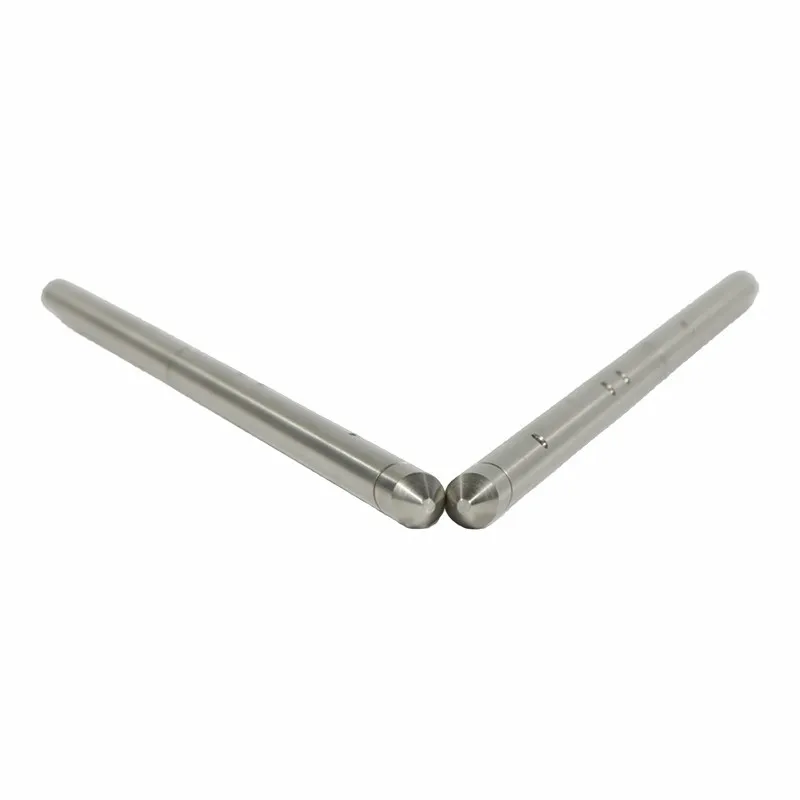
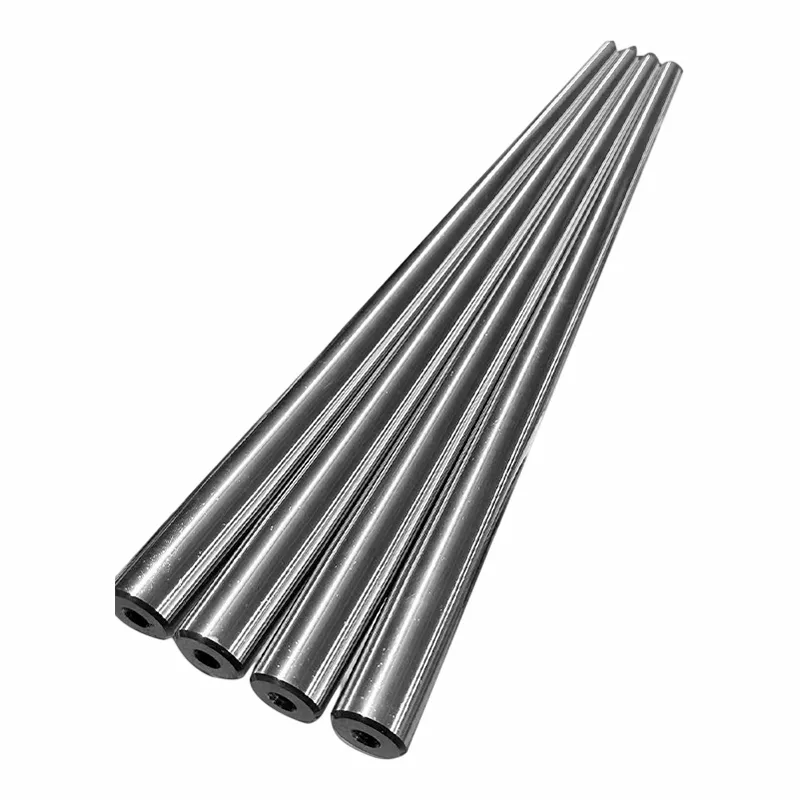
Smooth Shaft are often used in various mechanical systems. Shaft Saver Sleeves can protect these smooth shafts from wear and damage, ensuring their long - term functionality.
Contact for Purchase
If you have any questions about the temperature tolerance of our Shaft Saver Sleeves or are interested in purchasing them, please feel free to contact us. We have a team of experts who can provide you with detailed information and guidance on selecting the right Shaft Saver Sleeve for your specific application. We look forward to working with you to meet your industrial needs.
References
- Smith, J. (2018). Materials Science for Mechanical Engineers. New York: McGraw - Hill.
- Johnson, R. (2019). Industrial Shaft Design and Maintenance. London: Elsevier.
- Brown, A. (2020). Polymer Engineering Handbook. Chicago: Wiley.