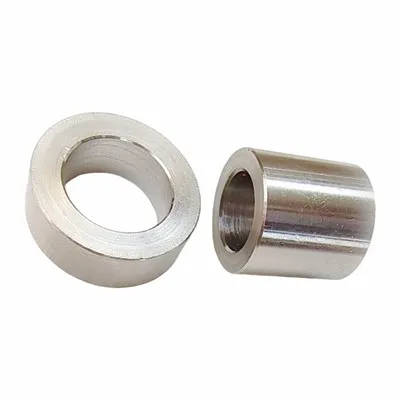
Hey there! As a supplier of shaft sleeve bushings, I often get asked about the stiffness of these components. So, I thought I'd take a moment to break it down and share what I know.
First off, let's talk about what stiffness actually means in the context of a shaft sleeve bushing. Stiffness refers to the ability of the bushing to resist deformation when a load is applied. In simpler terms, it's how well the bushing can hold its shape and maintain its position under stress.
There are a few factors that can affect the stiffness of a shaft sleeve bushing. One of the most important is the material it's made from. Different materials have different levels of stiffness, so choosing the right material for your application is crucial. For example, materials like bronze and steel are known for their high stiffness, while materials like plastic and rubber are generally less stiff.
Another factor that can affect stiffness is the design of the bushing. The shape, size, and thickness of the bushing can all play a role in how stiff it is. For instance, a thicker bushing will generally be stiffer than a thinner one, and a bushing with a more complex design may be able to distribute loads more evenly, resulting in greater stiffness.
The way the bushing is installed can also have an impact on its stiffness. If the bushing is not installed correctly, it may not be able to support the load properly, which can lead to deformation and reduced stiffness. It's important to follow the manufacturer's installation instructions carefully to ensure that the bushing is installed correctly and securely.
So, why is stiffness important in a shaft sleeve bushing? Well, for starters, a stiff bushing can help to reduce vibration and noise in a system. When a bushing is able to resist deformation, it can help to keep the shaft in place and prevent it from moving around, which can reduce the amount of vibration and noise generated.
In addition, a stiff bushing can also help to improve the efficiency of a system. When a bushing is able to support the load properly, it can help to reduce friction and wear, which can improve the overall performance of the system. This can lead to longer service life and lower maintenance costs.
As a supplier of shaft sleeve bushings, I understand the importance of providing high-quality products that meet the needs of my customers. That's why I offer a wide range of bushings made from different materials and with different designs to ensure that I can provide the right solution for every application.
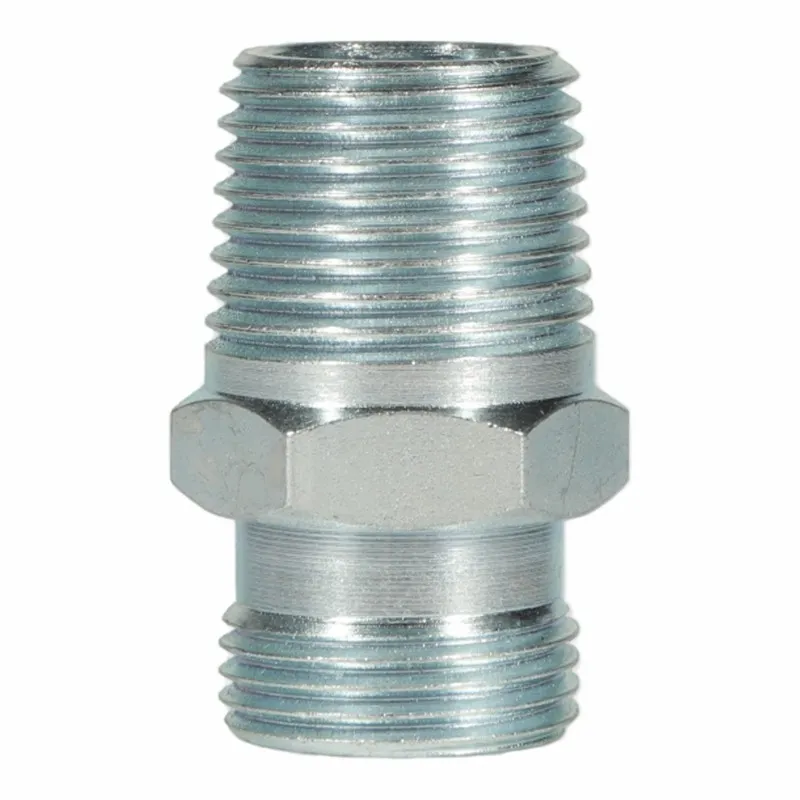
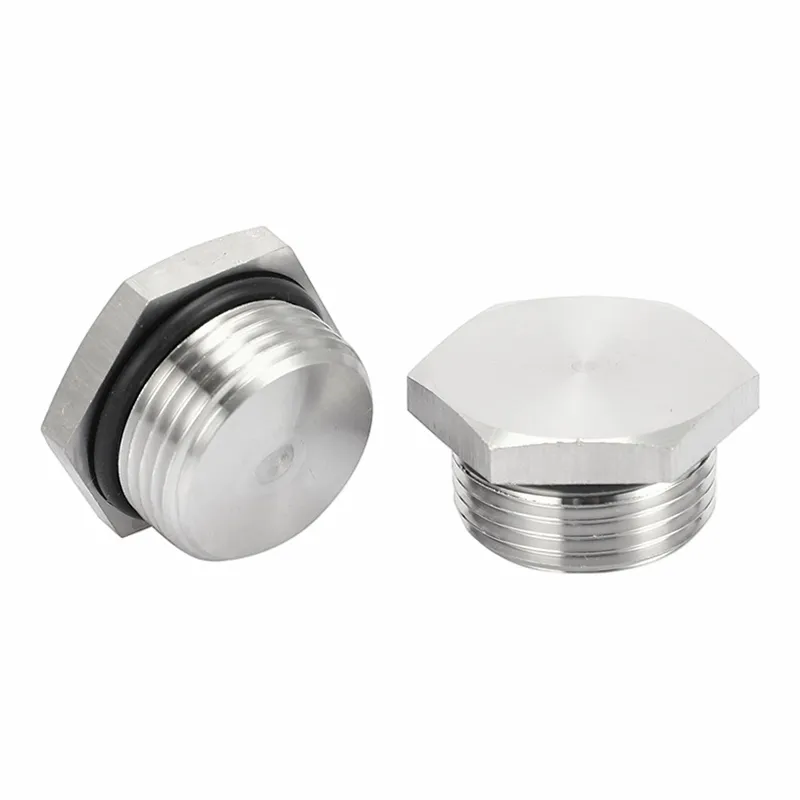
If you're in the market for a shaft sleeve bushing, I encourage you to take a look at our products. We offer a variety of options, including Metal Joint Connector, Iron Core Machining, and Internal Pipe Plug. Our team of experts is also available to help you choose the right bushing for your application and provide any support you may need.
In conclusion, the stiffness of a shaft sleeve bushing is an important factor to consider when choosing a bushing for your application. By understanding the factors that affect stiffness and choosing the right material and design, you can ensure that your bushing will provide the support and performance you need. If you have any questions or would like to learn more about our products, please don't hesitate to contact us. We'd be happy to help you find the right solution for your needs.
References:
- Engineering Mechanics: Statics and Dynamics by R.C. Hibbeler
- Machine Design: An Integrated Approach by Robert L. Norton
- Mechanical Engineering Design by Joseph E. Shigley and Charles R. Mischke