Hey there! As a supplier of Stainless Steel Claw Lock, I've had my fair share of customers asking about how to adjust the tension of these locks. It's a crucial aspect that can significantly impact the performance and longevity of the lock. So, I thought I'd share some tips and tricks on how to do it right.
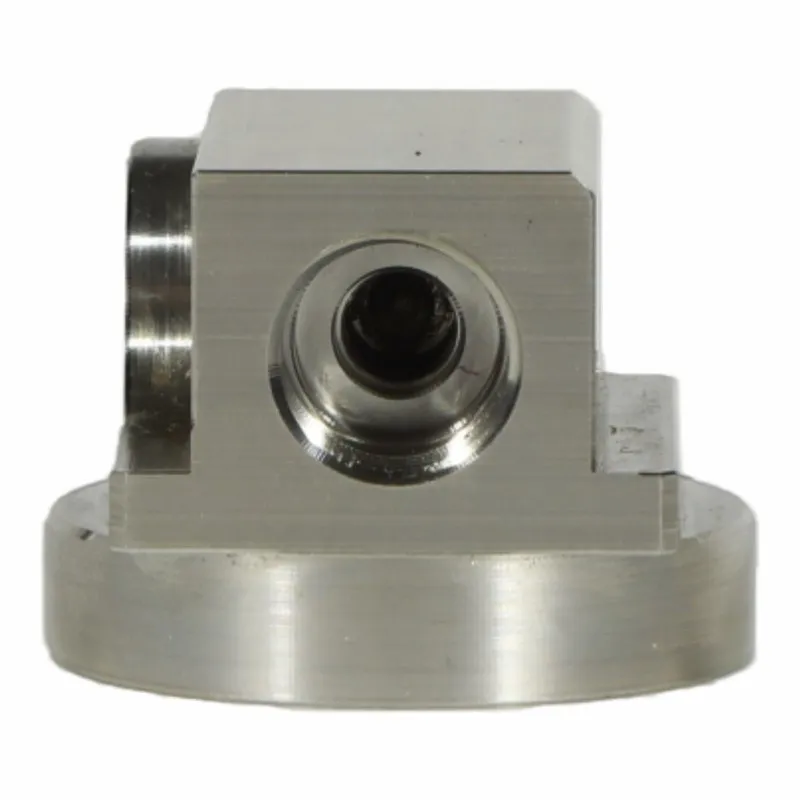
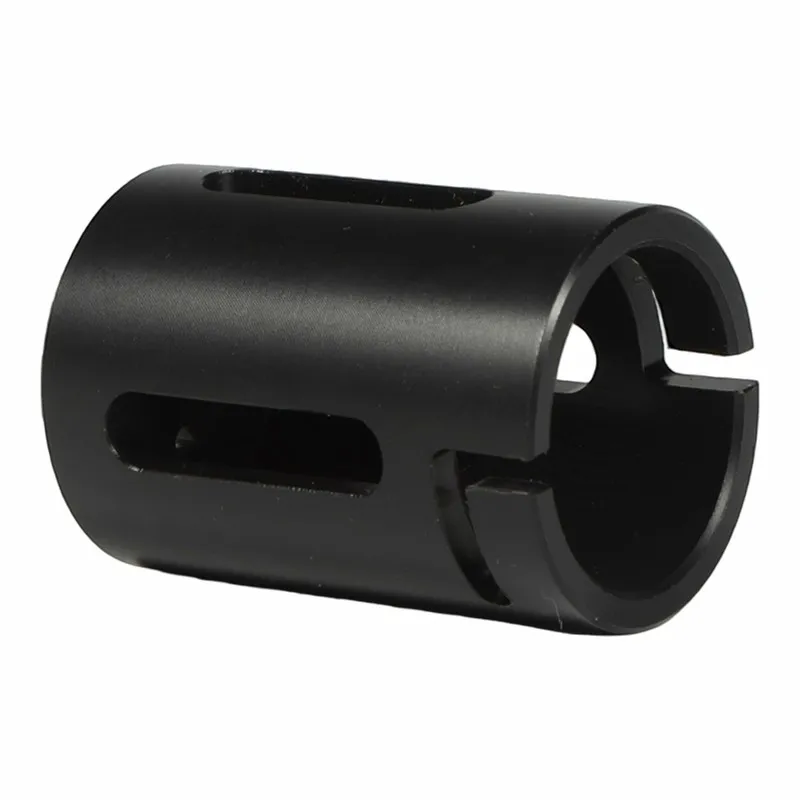
First off, let's understand why adjusting the tension of a stainless steel claw lock is important. The tension determines how tightly the lock grips the object it's attached to. If the tension is too loose, the lock may not hold securely, leading to potential safety hazards or the object coming loose. On the other hand, if the tension is too tight, it can cause excessive wear and tear on the lock and the object, and may even make it difficult to open or close the lock.
Now, let's get into the steps of adjusting the tension. The process may vary slightly depending on the specific model of the claw lock, but the general principles are the same.
Step 1: Gather the Necessary Tools
Before you start adjusting the tension, you'll need a few tools. These typically include a screwdriver (usually a Phillips or flathead, depending on the lock), a wrench (if required), and a pair of pliers. Make sure you have the right size tools for your lock to avoid damaging it.
Step 2: Locate the Tension Adjustment Mechanism
Most stainless steel claw locks have a tension adjustment mechanism that allows you to increase or decrease the tension. This is usually located on the side or the back of the lock. Look for a small screw or bolt that can be turned to adjust the tension.
Step 3: Loosen the Lock
If the lock is currently in use, you'll need to loosen it before you can adjust the tension. Use the screwdriver or wrench to loosen the lock's fasteners, such as the bolts or screws that hold it in place. This will allow you to move the lock freely and access the tension adjustment mechanism.
Step 4: Adjust the Tension
Once you've located the tension adjustment mechanism, use the screwdriver or wrench to turn the screw or bolt. Turning the screw clockwise will usually increase the tension, while turning it counterclockwise will decrease the tension. Make small adjustments at a time and test the lock's grip after each adjustment. You want to find the right balance between a secure grip and ease of use.
Step 5: Test the Lock
After making the adjustments, it's important to test the lock to ensure that the tension is set correctly. Try opening and closing the lock a few times to see if it operates smoothly. Also, try applying some pressure to the object the lock is attached to to see if it holds securely. If the lock is too loose or too tight, make further adjustments until you're satisfied with the performance.
Step 6: Tighten the Lock
Once you're happy with the tension, use the screwdriver or wrench to tighten the lock's fasteners back in place. Make sure the lock is securely attached to the object and that there is no play or movement.
Tips and Tricks
- Be Patient: Adjusting the tension of a stainless steel claw lock can take some time and patience. Don't rush the process and make small adjustments at a time to avoid over-tightening or under-tightening the lock.
- Use the Right Tools: Using the right tools is essential to avoid damaging the lock. Make sure you have the correct size screwdriver, wrench, and pliers for your lock.
- Lubricate the Lock: If the lock is difficult to open or close, you may need to lubricate it. Use a silicone-based lubricant to reduce friction and make the lock operate more smoothly.
- Seek Professional Help: If you're unsure about how to adjust the tension of your stainless steel claw lock, or if you're having trouble getting the right tension, it's best to seek professional help. A locksmith or a professional installer can help you adjust the tension correctly and ensure that the lock is working properly.
In addition to adjusting the tension of the claw lock, there are other factors that can affect its performance. For example, the quality of the lock itself, the type of object it's attached to, and the environment in which it's used can all play a role. That's why it's important to choose a high-quality Stainless Steel Claw Lock from a reputable supplier.
At our company, we offer a wide range of stainless steel claw locks that are designed to meet the needs of various applications. Our locks are made from high-quality materials and are built to last. We also offer Metal Joint Connector and Sensor Machining services to help you with your projects.
If you're interested in purchasing a stainless steel claw lock or need help with adjusting the tension, please don't hesitate to contact us. We're here to help you find the right solution for your needs and ensure that your lock is working properly.
References
- Smith, J. (2020). "The Basics of Stainless Steel Claw Locks." Locksmith Journal, 25(3), 45-52.
- Johnson, A. (2019). "How to Adjust the Tension of a Claw Lock." DIY Magazine, 12(2), 78-82.