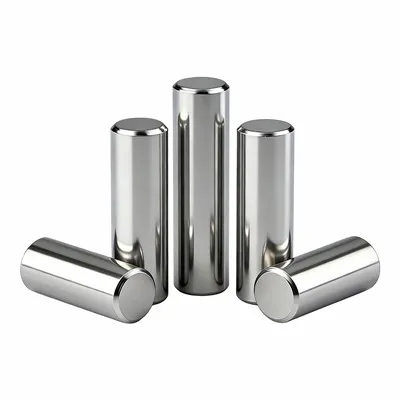
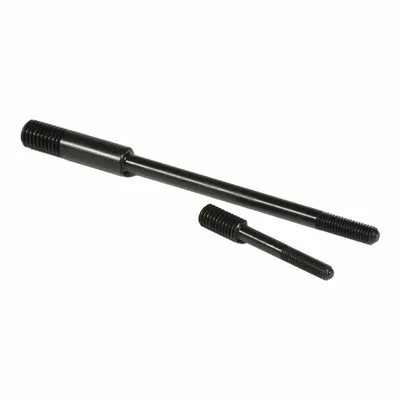
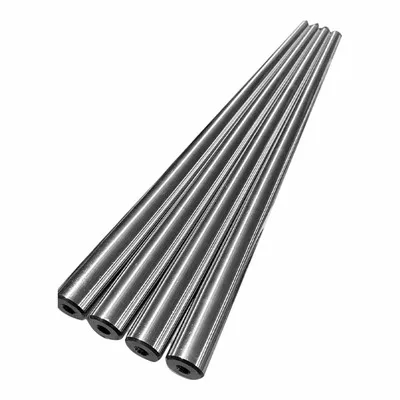
Hey there! As a shaft supplier, I get asked a lot about how to install a shaft. It might seem like a daunting task, but with the right steps and a bit of know - how, you can get it done smoothly. In this blog, I'll walk you through the process of shaft installation.
1. Preparation
Before you even start thinking about installing the shaft, you need to do some prep work. First off, gather all the tools you'll need. This usually includes a wrench set, a hammer (a soft - faced one is better to avoid damaging the shaft), a measuring tape, and a torque wrench. Having these tools at hand will make the installation process much easier.
Next, inspect the shaft and the components it will be installed into. Check for any signs of damage, like cracks, dents, or rough spots. A damaged shaft can lead to all sorts of problems down the line, so it's crucial to catch any issues early. Also, make sure the shaft is the right size and type for your application. You don't want to end up with a shaft that's too big or too small.
2. Cleaning
Cleanliness is super important when it comes to shaft installation. Both the shaft and the mating parts need to be free of dirt, grease, and debris. You can use a degreaser and a clean cloth to wipe everything down. This not only helps with the fit but also prevents any contaminants from causing wear or damage over time.
If there are any burrs on the shaft or the mating parts, use a file to smooth them out. Burrs can interfere with the proper seating of the shaft and may cause misalignment.
3. Measuring and Alignment
Accurate measurement is key. Measure the diameter of the shaft and the bore of the mating part to ensure a proper fit. You want a snug fit, but not so tight that it's difficult to install. A clearance of around 0.001 - 0.003 inches is often ideal, but this can vary depending on the application.
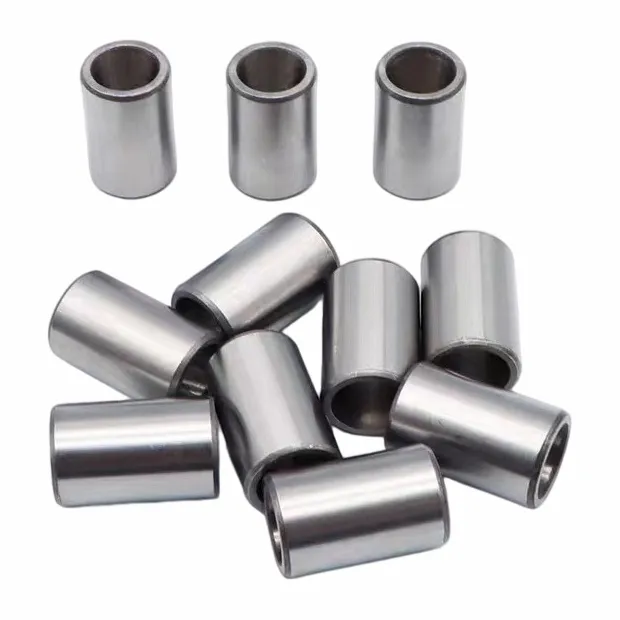
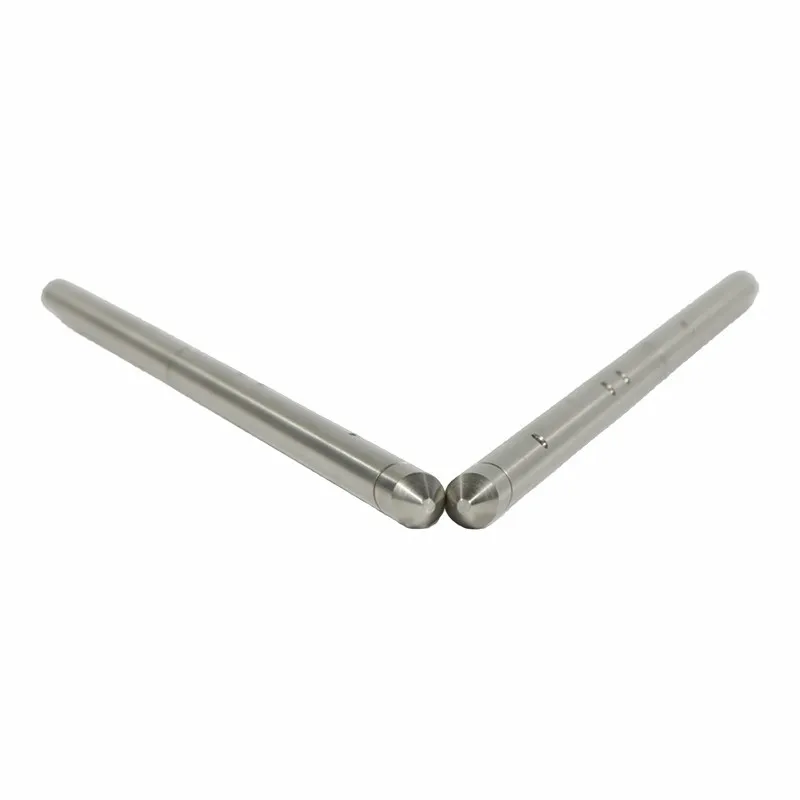
Alignment is also crucial. Misaligned shafts can cause excessive vibration, wear on bearings, and even premature failure of the equipment. Use a dial indicator to check the alignment of the shaft. Make sure it's centered and parallel to the mating part. You may need to adjust the position of the shaft or the mating part to achieve proper alignment.
4. Installing Bearings
Bearings play a vital role in the operation of a shaft. They reduce friction and support the shaft as it rotates. When installing bearings, you need to be very careful. First, make sure the bearings are the right type and size for your shaft. You can find a wide range of bearings at Bearing for Rotating Shaft.
To install the bearings, you can use a bearing puller or a press. If you're using a press, make sure to apply the pressure evenly. Don't hammer the bearings directly onto the shaft, as this can damage them. Once the bearings are in place, check their fit and make sure they can rotate freely.
5. Shaft Saver Sleeve
A Shaft Saver Sleeve can be a great addition to your shaft installation. It helps protect the shaft from wear, corrosion, and damage. If you're working in an environment where the shaft is exposed to harsh conditions, a shaft saver sleeve can extend the life of your shaft.
Installing a shaft saver sleeve is relatively straightforward. First, clean the shaft surface as you did before. Then, slide the sleeve onto the shaft. Make sure it fits snugly and is properly aligned. You may need to use some adhesive or a locking compound to keep the sleeve in place.
6. Welding (if applicable)
In some cases, you may need to weld the shaft. Welded Shaft can provide a strong and durable connection. However, welding a shaft requires some skill and knowledge.
Before welding, make sure the shaft and the parts to be welded are clean and free of any contaminants. Use the right welding technique and filler material for the type of shaft you're working with. It's also important to control the heat during welding to prevent warping or other damage to the shaft.
7. Final Checks
Once the shaft is installed, do a final check. Make sure all the components are tightened to the correct torque specifications using your torque wrench. Check for any signs of misalignment or looseness. Rotate the shaft by hand to see if it moves smoothly. If there are any issues, address them immediately.
8. Maintenance
After the installation, regular maintenance is essential. Keep an eye on the shaft and its components for any signs of wear or damage. Lubricate the bearings as recommended by the manufacturer. Check the alignment periodically to ensure it remains correct.
If you run into any problems during the installation or maintenance process, don't hesitate to reach out. As a shaft supplier, we have the expertise and experience to help you with any issues you might face. Whether you need advice on choosing the right shaft, help with installation, or just want to learn more about shaft maintenance, we're here for you.
We offer a wide range of high - quality shafts and related components. If you're in the market for a new shaft or need to replace an existing one, we can provide you with the best products at competitive prices. So, if you're interested in purchasing shafts or want to discuss your specific requirements, feel free to contact us for a procurement negotiation. We're looking forward to working with you!
References
- Machinery's Handbook, 31st Edition
- ASME standards related to shaft design and installation